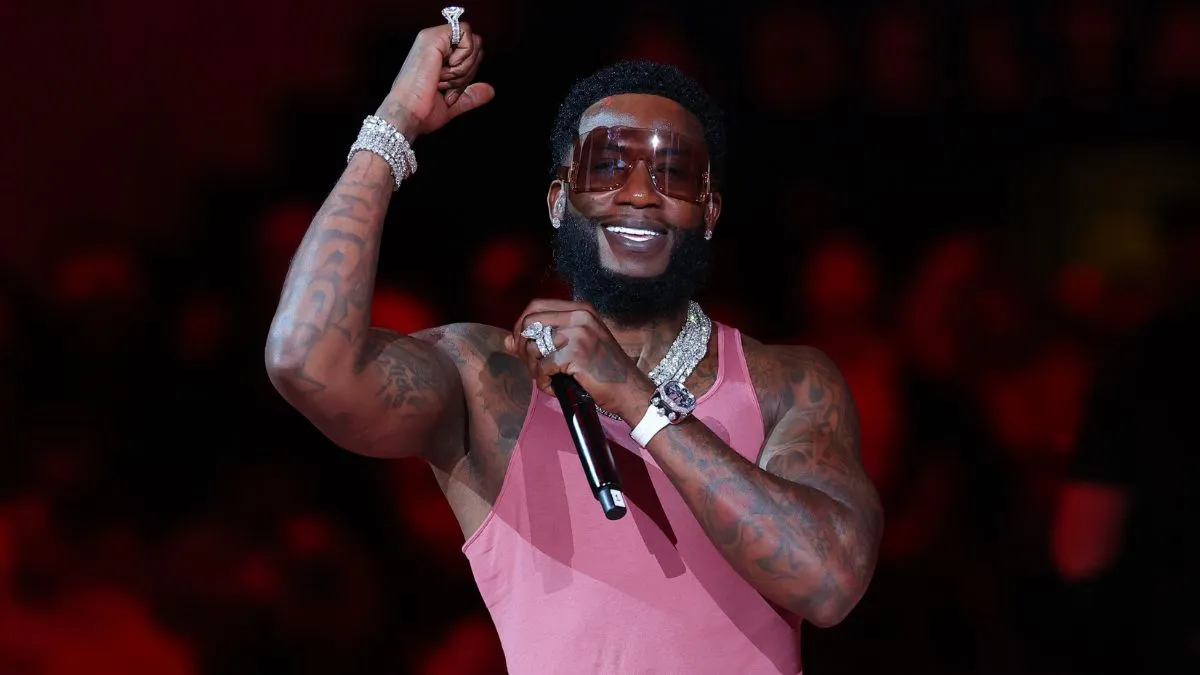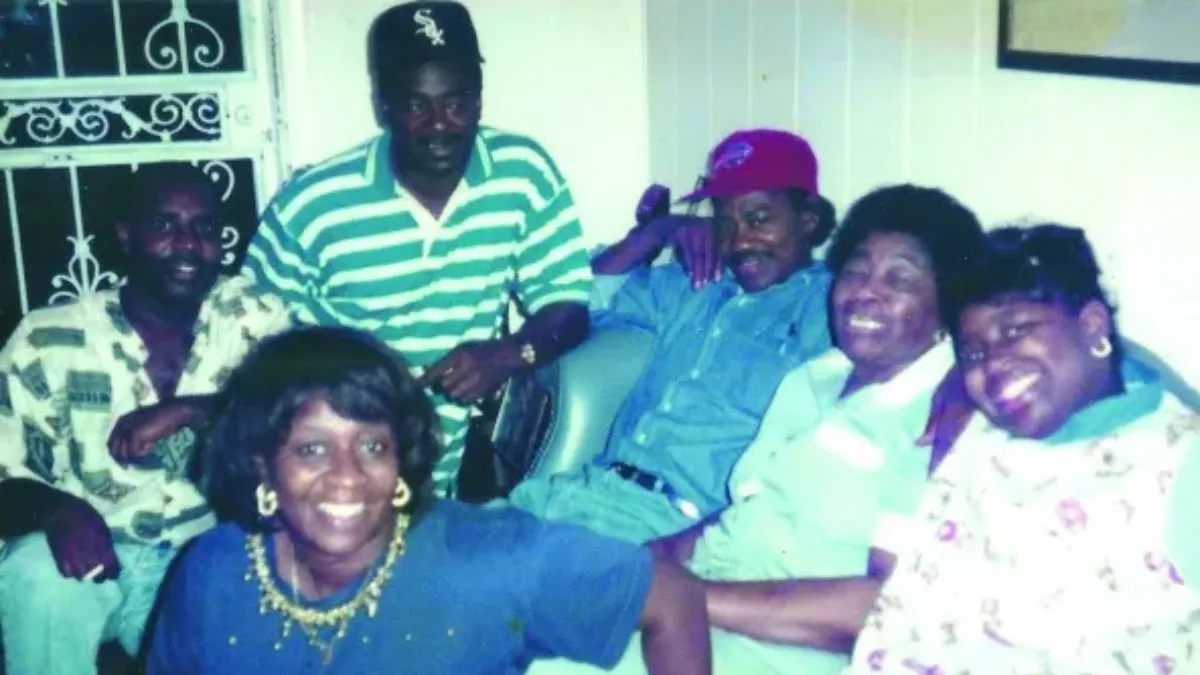
He built one of the most recognizable names in hip-hop from the ground up. But before Gucci Mane became the trap music legend the world knows today, he was just a kid shaped by two very different people, a largely absent father and a mother who refused to let circumstances define her son’s future.
The story of Ralph Everett Dudley and Vicky Jean Davis is not just background information. It is the foundation of everything Gucci Mane became: the hunger, the resilience, the complicated relationship with identity that runs through his music like a thread.
If you want to truly understand Gucci Mane, you have to start here, with the two people who brought him into the world and the very different roles they played in his life.
Ralph Everett Dudley: The Father Who Was There, Then Wasn’t
Gucci Mane’s father, Ralph Everett Dudley, is not a name that appears often in interviews or headlines. And that absence in the public conversation is actually a reflection of his absence in Gucci’s life.
Ralph was in the picture during Gucci’s earliest years. Gucci Mane, born Radric Delantic Davis on February 12, 1980, in Bessemer, Alabama, carries his mother’s surname, which itself tells part of the story.
The family relocated to Eastpoint, Georgia, a suburb of Atlanta, when Gucci was a young child. It was there that his formative years took shape, and it was there that the distance between father and son began to grow.
Ralph Everett Dudley was reported to have struggled with drug addiction, a reality that pulled him away from consistent fatherhood and left a visible gap in Gucci’s upbringing. That kind of absence does not just affect childhood. It echoes into adulthood, into choices, into the way a person builds or destroys relationships with the people around them.
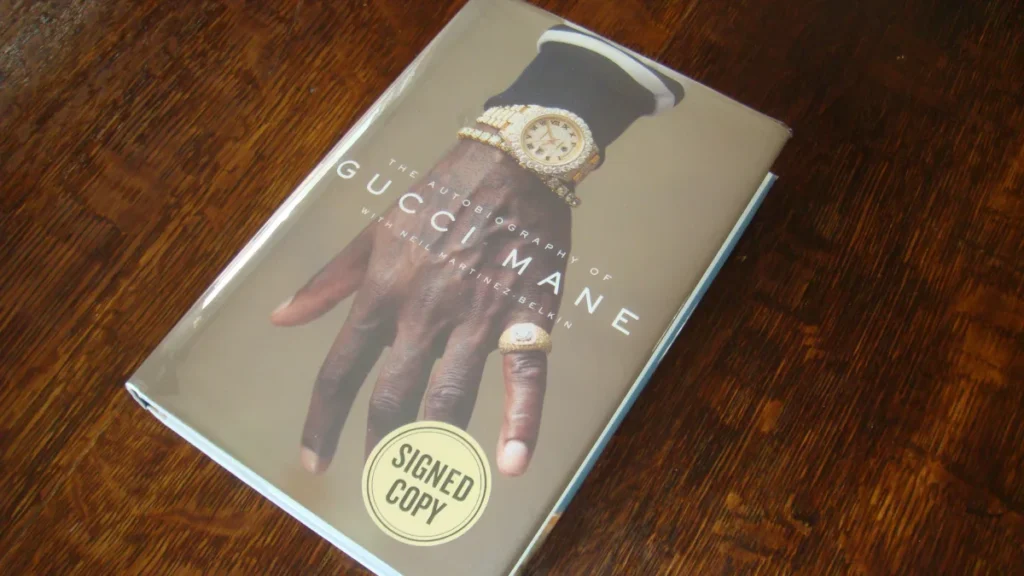
Gucci has referenced the pain of a difficult home environment in various interviews and in his 2017 autobiography, “The Autobiography of Gucci Mane,” co-written with Neil Martinez-Belkin. The book offers a rare, unfiltered look at how his early life shaped the man he became, and the shadow of an unreliable father figure looms large over those pages.
Vicky Jean Davis: The Woman Who Held Everything Together
If Ralph Everett Dudley represents the absence in Gucci Mane’s story, then Vicky Jean Davis represents everything that filled that space.
Vicky was the constant. The anchor. The parent who showed up every single day, even when showing up was hard.
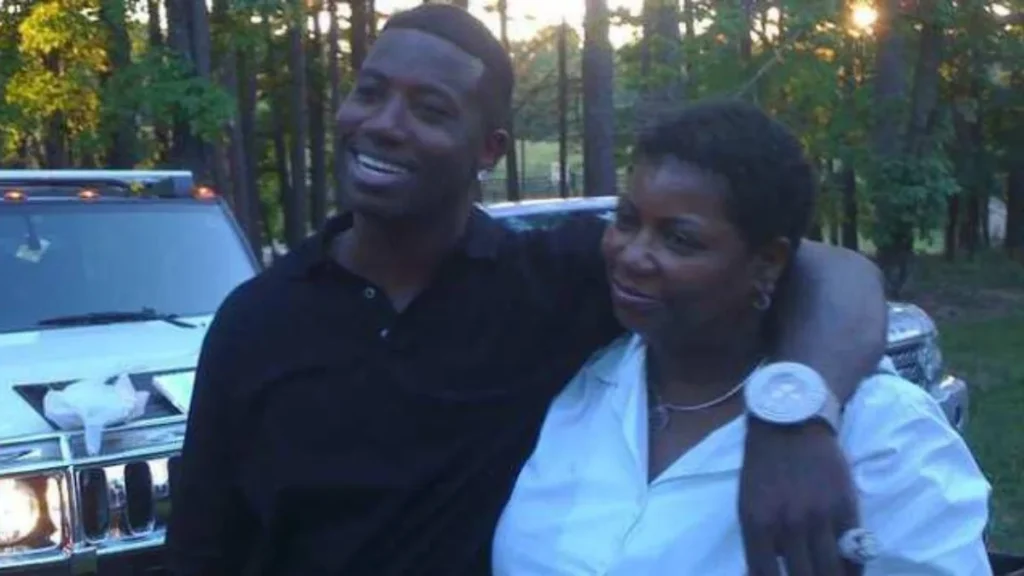
She raised Gucci largely on her own, working to provide stability in an environment that did not always cooperate. Growing up in Eastpoint was not easy. The area came with its own set of pressures, temptations, and dangers, and Vicky was navigating all of that as a single mother doing her best to keep her son on a productive path.
What is particularly notable about Vicky Jean Davis is that she was not just a surviving parent. She was an encouraging one. She recognized early that her son had a creative gift, and rather than dismissing his interest in music as a distraction, she supported it.
By the time Gucci was a teenager, he was already writing lyrics and finding his voice as an artist. That early encouragement from his mother permitted him to take his talent seriously, even when the world around him was not exactly set up for success stories.
The Home That Shaped the Hustle
Growing up between Alabama and Atlanta gave Gucci Mane an interesting cultural foundation. Bessemer, Alabama, where he was born, sits in Jefferson County and carries the kind of working-class Southern identity that shows up all over his early music.
But it was Atlanta, specifically the East Point area, that molded his sound and his street sensibility. The city’s rap scene in the late 1990s and early 2000s was electric and competitive, and Gucci threw himself into it with everything he had.
Vicky’s support during this period was not just emotional. It was practical. She kept a roof over their heads, kept structure in place, and made sure that whatever else was happening, her son had a home base to return to.
That kind of grounded, consistent motherhood is something Gucci has acknowledged with genuine gratitude. In a world where it would have been easy to fall through the cracks completely, Vicky Jean Davis made sure he had something to hold onto.
What Gucci Mane Has Said About His Parents
In “The Autobiography of Gucci Mane,” he does not sugarcoat his upbringing. He writes about the instability, the streets, the influence of older figures who were not always the best role models, and the complicated feelings that come with having a father who was not consistently present.
He has spoken in interviews about how growing up without a reliable father figure pushed him to seek validation and identity in other places, sometimes in ways that led to serious consequences.
But he has also spoken about his mother with a warmth and respect that is unmistakable. Vicky Jean Davis did not just raise a rapper. She raised a man who, despite years of chaos and legal trouble, eventually found his way back to himself, got sober, built a family, and created a lasting legacy.
That arc, from a fatherless household in Eastpoint to a sold-out concert stage, does not happen without someone at home believing in you first.
Why This Story Matters Beyond the Fame
It would be easy to look at Gucci Mane’s success today and see only the surface. The net worth. The wife. The records. The influence on an entire generation of rappers who cite him as the reason they picked up a microphone.
But strip all of that away, and you find a kid who grew up navigating real instability, shaped by a father who struggled to stay present and a mother who refused to walk away.
Ralph Everett Dudley and Vicky Jean Davis represent two very different kinds of impact. One taught Gucci, through absence, what he did not want his own story to look like. The other taught him, through presence, that consistency and love are the most powerful things a parent can offer.
Both lessons ended up in the music. Both lessons ended up in the man.
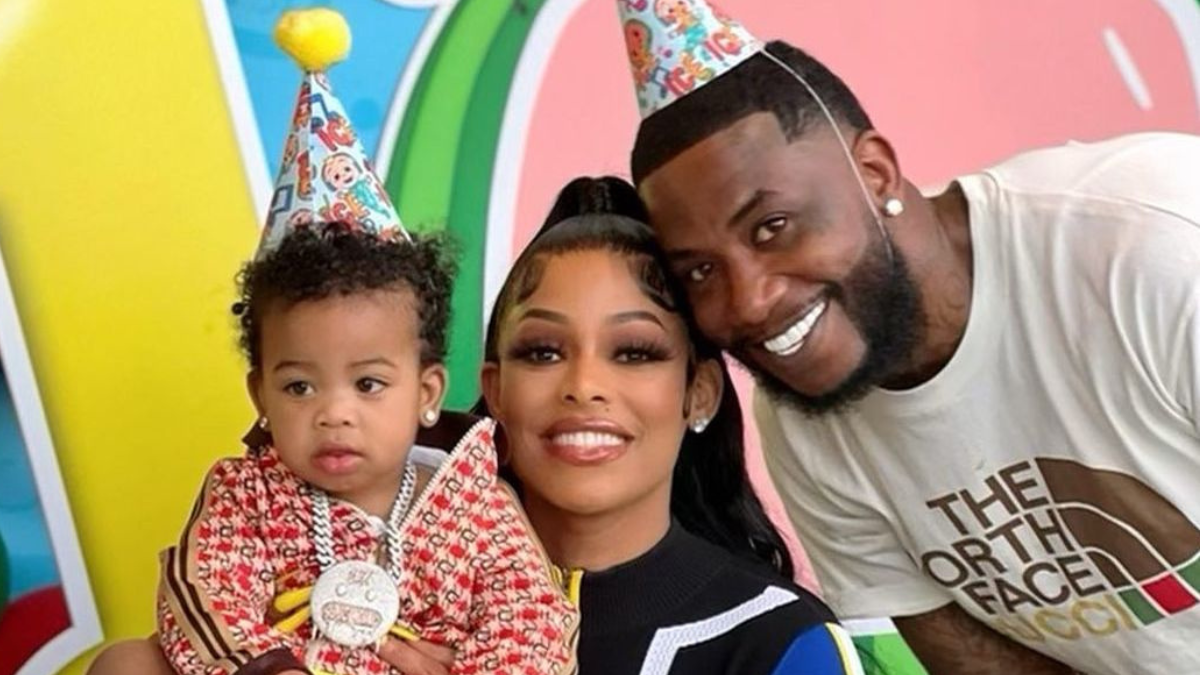
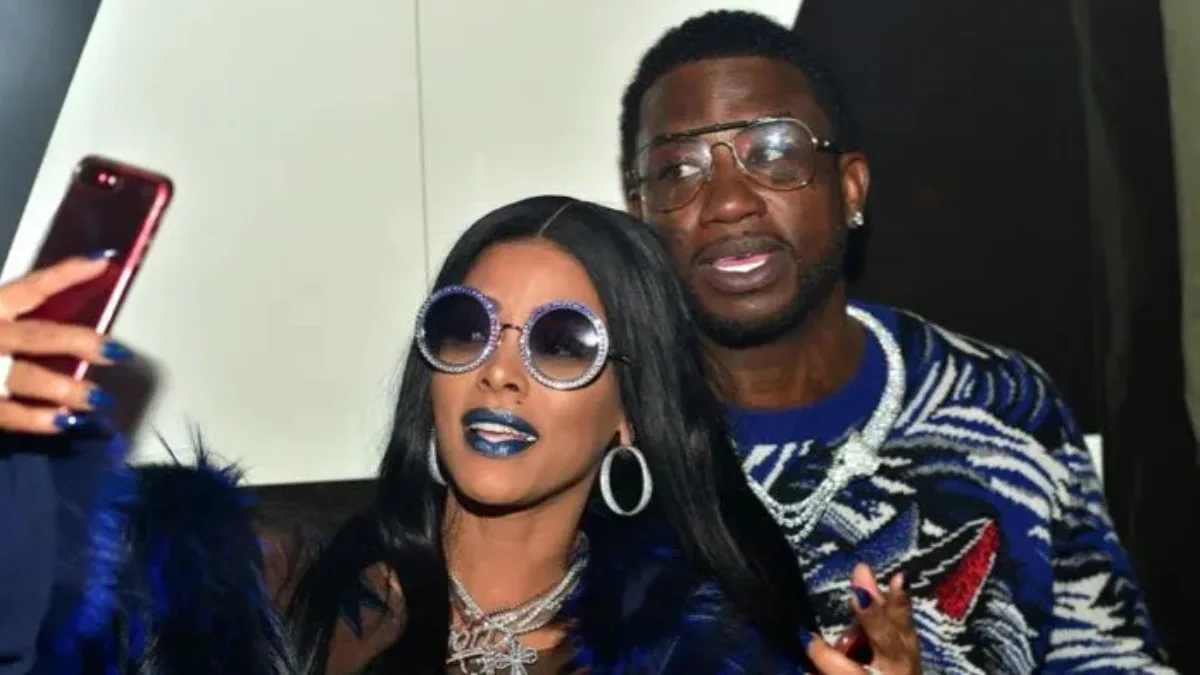
And when you watch Gucci Mane today, holding his son Ice Davis, standing beside his wife Keyshia Ka’oir, and speaking openly about his transformation, you are watching someone who took the broken parts of his beginning and built something whole out of them.
That does not happen by accident. That happens because somewhere along the way, at least one person decided to stay.