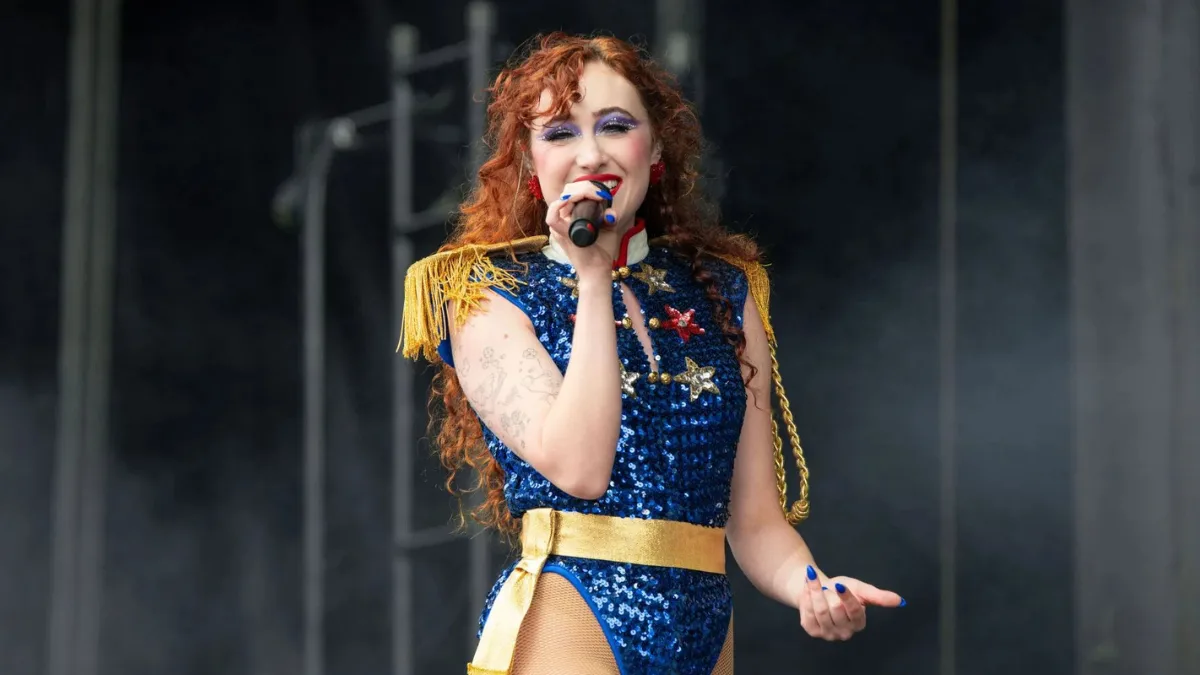
Less than two years ago, Chappell Roan was pulling espresso shots at a donut shop in Los Angeles, wondering if her music career was permanently over.
Today, she is a Grammy-winning, multi-platinum pop star sitting on an estimated $12 million fortune, with a booking rate that tripled overnight and a touring career that has grossed tens of millions of dollars.
What makes her story genuinely remarkable is not just how fast she rose, but how strategically she has guarded and built her wealth in an industry that historically devours artists before they can financially benefit from their own success.
From 6 billion global streams to a single brand deal that changed everything, here is the full breakdown of how Chappell Roan built one of the most impressive financial trajectories in modern pop music.
What Is Chappell Roan Net Worth in 2026?
As of 2026, Chappell Roan has an estimated net worth of $12 million. That figure, confirmed by Celebrity Net Worth and corroborated by industry sources, represents a wealth trajectory that is almost without precedent for an artist who, by most measures, only truly broke through in mid-2024.
Among music-focused Gen-Z artists, Sabrina Carpenter leads with an estimated $16 million, followed by Chappell Roan at $12 million. For context, Roan did not have a mainstream charting single until “Good Luck, Babe!” climbed to number four on the Billboard Hot 100 in 2024. The fact that she is already at $12 million, with only one studio album to her name, tells you everything about how efficiently her income streams have been structured.
Starting from an estimated $500,000 at her June 2024 breakout, Roan’s wealth velocity is among the highest tracked for Gen-Z artists. That is not hype. That is math.
Streaming Revenue: 6 Billion Global Streams and What They’re Worth
Streaming is where most casual fans assume the money lives, but the reality is more complicated and far more interesting.
The Missouri-born pop star has generated approximately $19.2 million in gross streaming revenue from 6 billion global streams on Spotify and YouTube. However, gross and net are very different numbers in the music industry. Platforms pay out between $0.003 and $0.005 per stream on average, and that money passes through labels, distributors, and publishers before an artist sees their share.
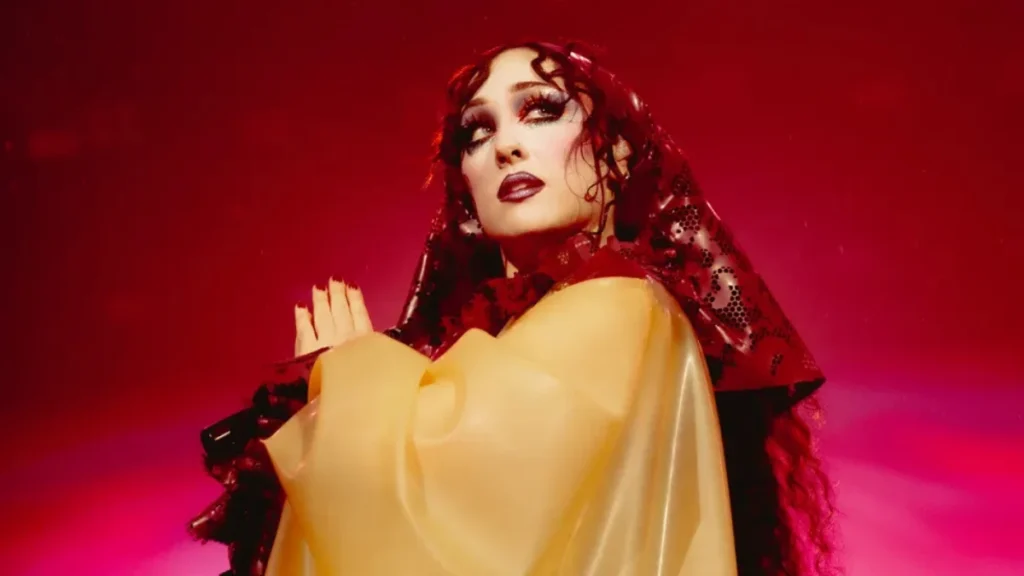
As of January 2026, Roan has around 70 million monthly listeners on streaming platforms. That audience size keeps her royalty clock ticking even during gaps between releases, which is a crucial financial cushion for an artist who has publicly stated she takes her time between projects.
Nine of her fourteen singles have earned RIAA certifications, with a combined total of twelve platinum plaques and three gold awards, amounting to 13.5 million certified song units sold in the United States alone. Those certifications also trigger backend royalty payments from radio airplay, sync licensing, and digital download sales, none of which show up in stream counts but all of which quietly add to the bottom line.
Album Sales and RIAA Certifications: Good Luck, Babe! Leads With 4x Platinum
One studio album. Fourteen singles. Twelve platinum certifications. That ratio is almost unheard of in modern pop.
“Good Luck, Babe!” is Roan’s most successful single to date, with four platinum certifications. “Pink Pony Club” and “Red Wine Supernova” follow closely, each earning two platinum certifications. These three singles alone represent more than half of her total platinum sales.
Her debut album, “The Rise and Fall of a Midwest Princess,” reached number two on the Billboard 200 and was certified platinum by the RIAA, indicating over one million album units sold in the United States. Most artists receive between 15 and 20 percent in royalties on album sales, which suggests Roan may have taken home an estimated $1.5 to $2 million from that album alone.
She has sold 1.2 million pure album sales worldwide. For a debut record from an artist who spent years being dropped by labels and working odd jobs, that number is extraordinary. And it was achieved almost entirely through word of mouth, social media, and a fanbase so devoted they call themselves her “kittens.”
Touring Income: From the Midwest Princess Tour to Visions of Damsels
If streaming is the foundation of Chappell Roan’s income, touring is the skyscraper built on top of it.
Since 2023, Roan has led three headlining tours: Naked in North America, The Midwest Princess Tour, and the Visions of Damsels and Other Dangerous Things Tour. Pollstar reports that The Midwest Princess Tour averaged over 2,000 tickets per show and grossed approximately $89,355 per performance, generating income across six tour legs comprising 94 concert dates.
Then came Visions of Damsels, which was an entirely different financial scale.
The Visions of Damsels and Other Dangerous Things Tour grossed $28.3 million and sold 276,000 tickets, according to Billboard. That is a single touring cycle producing nearly three times what most mid-tier artists generate across their entire careers.
The tour began on May 30, 2025, in Warsaw, Poland, and concluded on March 21, 2026, in São Paulo, Brazil, as part of Lollapalooza. The fact that it ended in Brazil at one of the world’s largest music festivals signals how far her international reach has expanded beyond her initial American fanbase.
What makes her touring model stand apart is her commitment to accessibility. By using Fair AXS and offering Cash App discounts, she actively works to keep ticket prices within reach for fans. She also donates $1 from every ticket sold to transgender youth organizations. That is both a values statement and, counterintuitively, a smart business move. It deepens fan loyalty in a way that no marketing campaign could replicate.
Grammy Wins’ Financial Impact: How It Tripled Her Per-Show Booking Rate
Winning a Grammy is not just a career milestone. In financial terms, it is a contract renegotiation that nobody has to sit across a table for.
Her 2025 Grammy win for Best New Artist boosted her booking rate from $50,000 to over $150,000 per show, effectively tripling her per-performance income overnight. That is not an incremental raise. That is the industry repricing what it believes she is worth to a room full of paying fans.
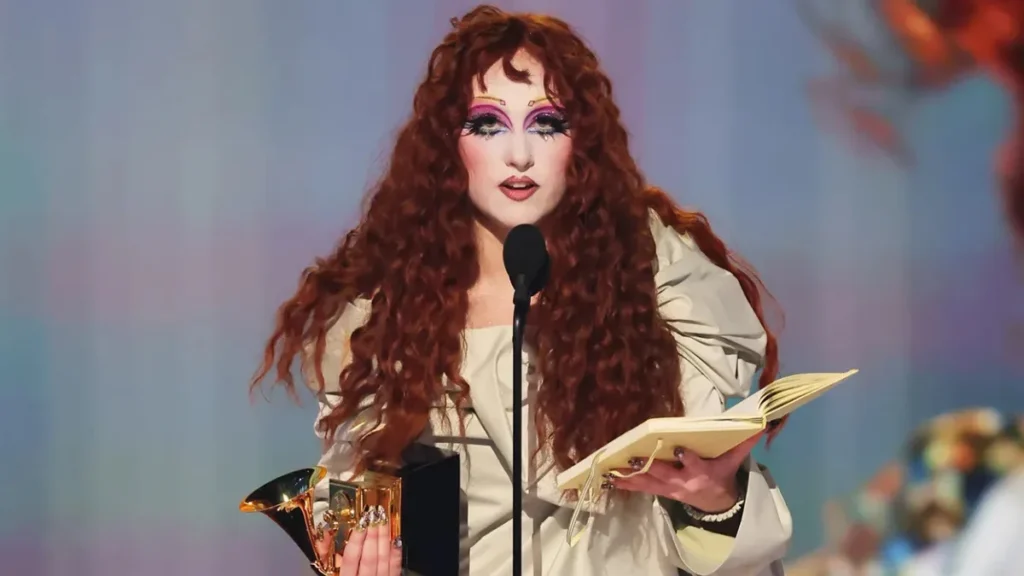
Industry data suggests Grammy wins correlate with 40 to 60 percent increases in booking rates within the following quarter. For Chappell Roan, that translated to tripling her per-show fee overnight. The scale of that jump tells you that the industry had been undervaluing her before the award, and the Grammy was the official signal to correct that.
Post-Grammy, her booking fee ranges from $150,000 to $200,000 per show. Multiply that across a full international touring schedule, and the numbers compound very quickly.
Why She Rejects Most Brand Deals (And Why That Actually Raises Her Value)
Here is where Chappell Roan’s financial story gets genuinely fascinating.
Most artists at her level sprint toward brand deals the moment they have enough leverage to command serious money. Roan has taken the opposite approach, and it has made her more valuable, not less.
Chappell Roan famously rejects most brand deals, which paradoxically increases her cultural value. Her perceived authenticity is perhaps the most valuable asset she possesses and one that cannot be quantified on a balance sheet.
The one deal she did accept says a great deal about how carefully she guards her image. Chappell became a global ambassador for M.A.C Cosmetics in 2025, her first-ever deal with a major company. M.A.C’s entire brand identity is built around bold, theatrical, drag-adjacent makeup, which aligns almost perfectly with Roan’s own aesthetic. This was not a random corporate payday. It was a partnership that made cultural sense, and that distinction matters enormously to her audience.
When an artist who turns down almost everything says yes to one thing, fans pay attention. The M.A.C deal likely commanded a premium precisely because Roan’s endorsement is rare. Scarcity creates value, in music and in brand partnerships alike.