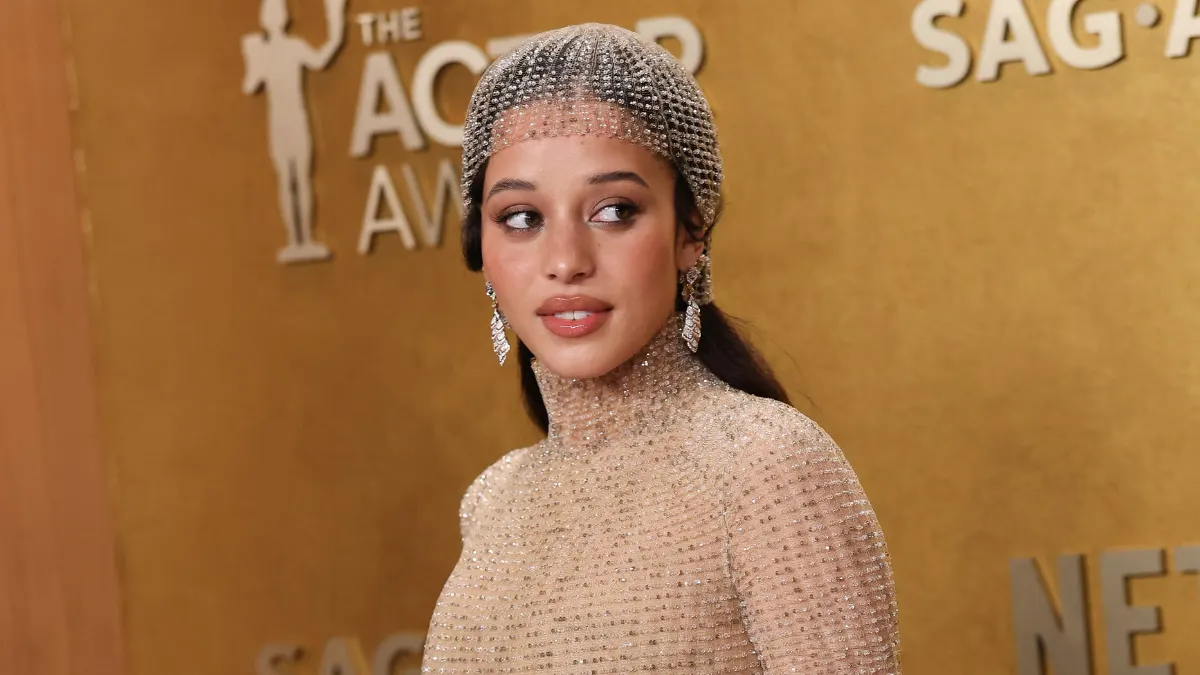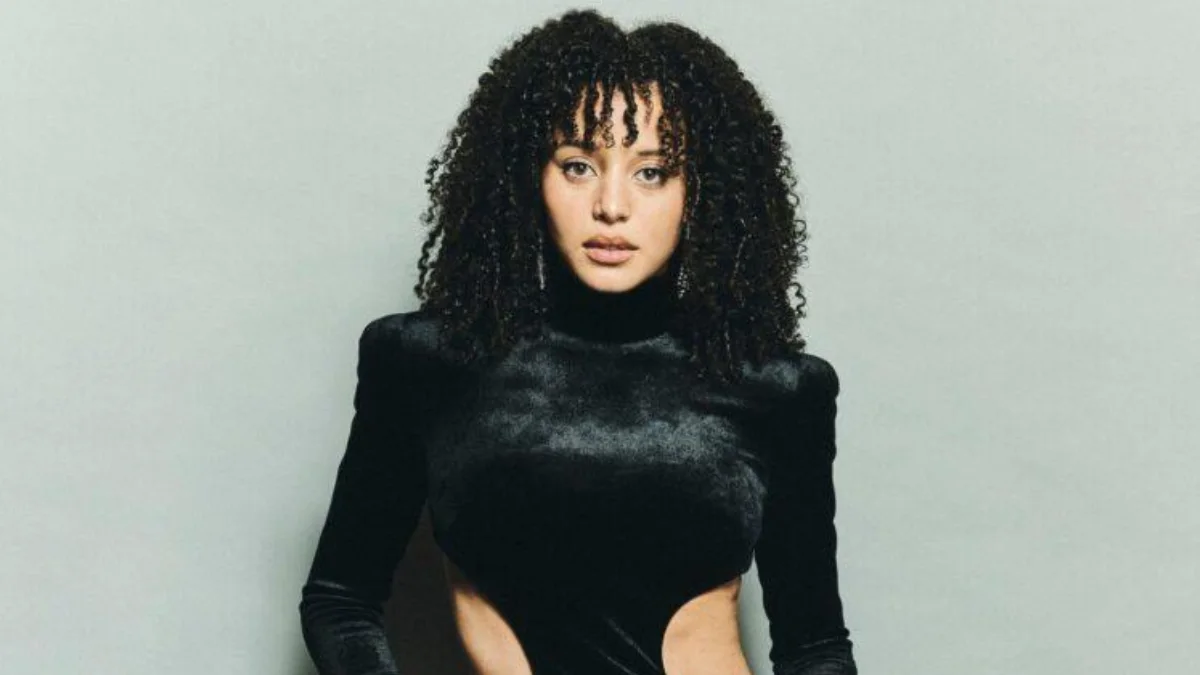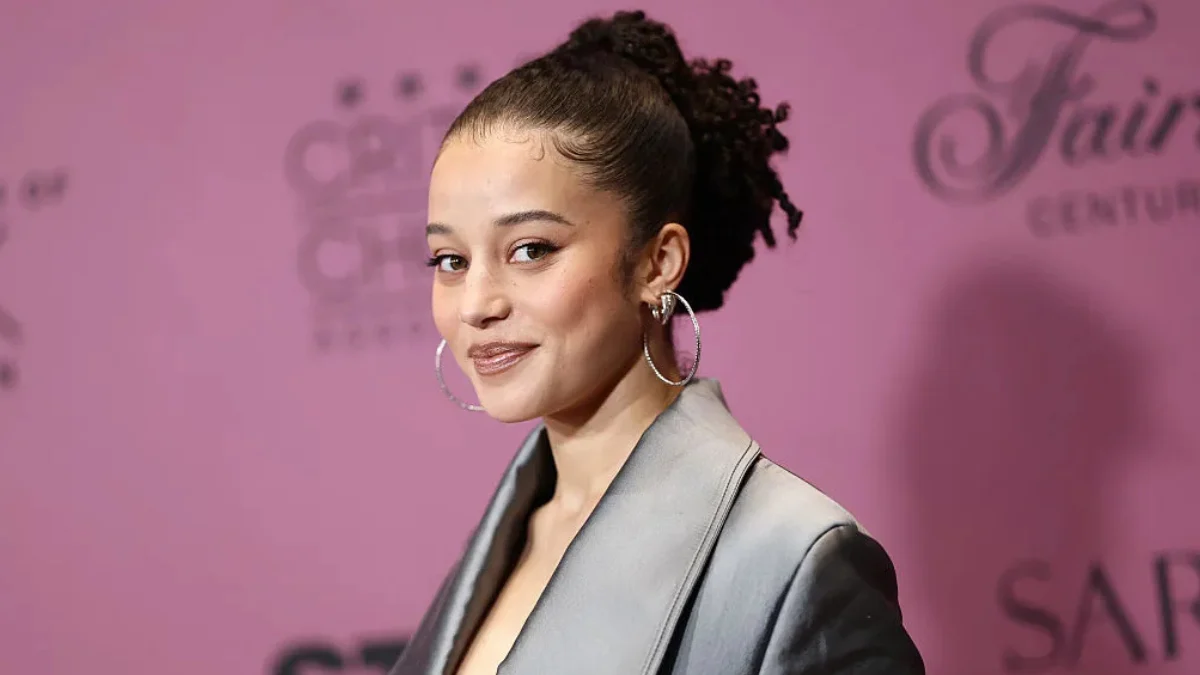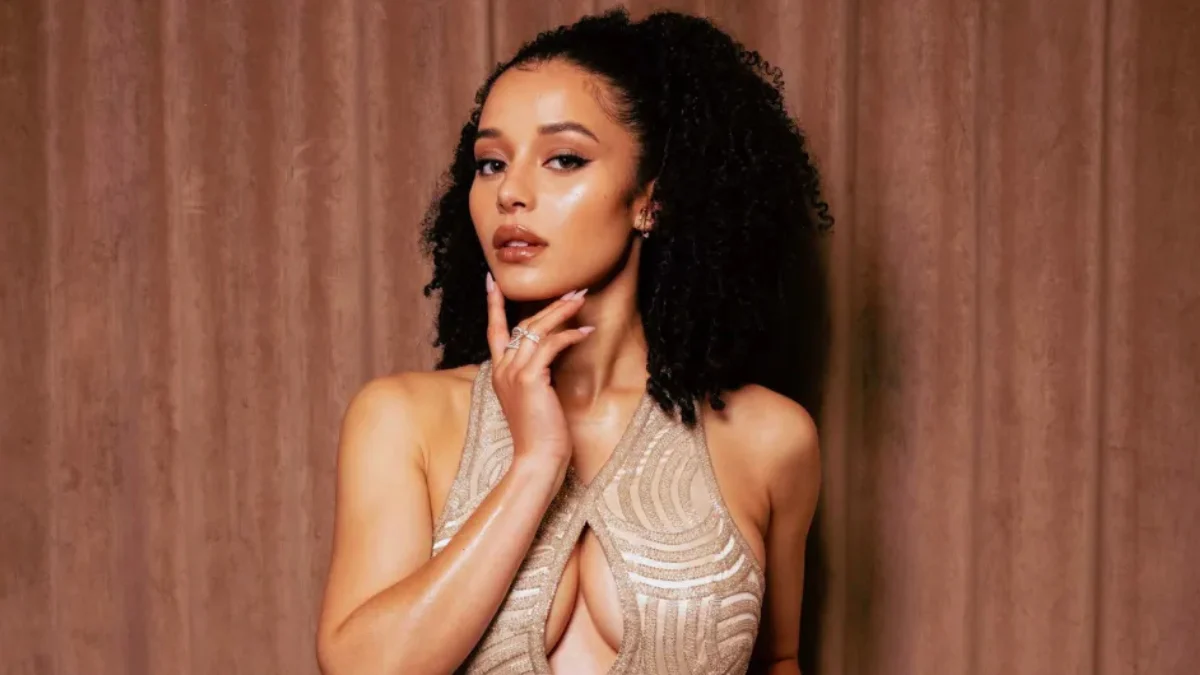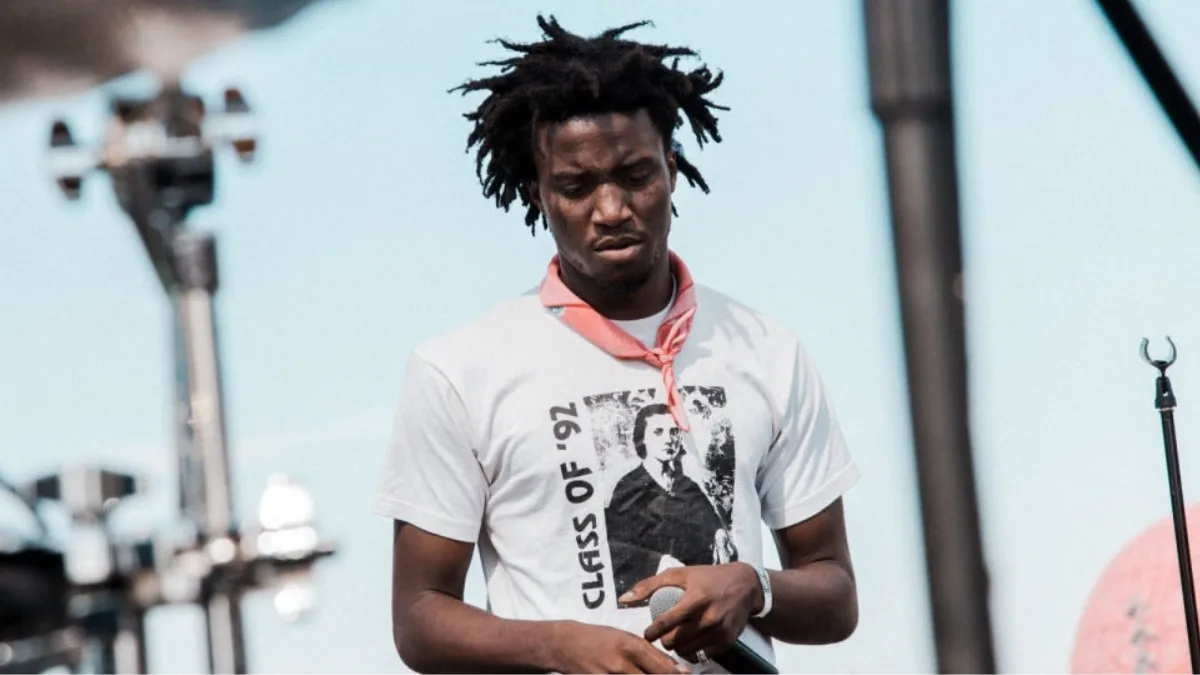
Some musicians blend genres. And then there is Shaboozey, a man whose entire musical identity was born from a collision of worlds that most people would never think to combine.
A Nigerian-American kid raised in Virginia, shaped by both Igbo farming culture and BET’s 106 & Park, who grew up listening to his father play Kenny Rogers in the same house where trap music played in the background.
That is not a backstory you write. That is a backstory that writes itself.
And when you understand exactly where Shaboozey comes from, culturally, musically, and visually, his rise from obscurity to Billboard record holder stops feeling like a surprise. It starts to feel like the most logical thing in the world.
This article breaks down, piece by piece, everything that built the sound behind one of the most talked-about artists of the last decade.
What Genre Is Shaboozey? Defining His Country-Rap-Americana Style
If you are trying to put Shaboozey in a box, good luck. His music combines hip-hop, country, rock, and Americana, and even that description barely covers it. He does not hop between genres depending on the album or the trend cycle. He carries all of them simultaneously, like someone fluent in four languages who switches between them mid-sentence without even thinking about it.
On one of his early tracks, the sound begins with a country-infused fingerpicking acoustic guitar loop, followed by trap drums and 808 patterns. His lyrics complement the western theme, speaking of cowboys, six-shooters, and bandits. That is not a genre blend. That is a genre merger. Two worlds sharing the same song, neither one apologising for the other.
His hit “A Bar Song (Tipsy)” is country without caricature and hip-hop without apology. The “country-rap” label is not new, but Shaboozey makes it feel less like a gimmick and more like an evolution. His music sits comfortably across formats that rarely agree on anything, which is precisely why it dominated pop, country, adult pop, and rhythmic charts all at once.
Musical Influences: From Bob Dylan and Johnny Cash to Fela Kuti and Clipse
The range of Shaboozey’s influences is not just wide. It is almost disorienting, until you hear the music and realise every single one of those influences is present.
He has cited the Rolling Stones, Grateful Dead, Bob Dylan, and Led Zeppelin as influences, as well as Fela Kuti, Clipse, Roger Waters, Backstreet Boys, Pharrell Williams, Missy Elliott, Lead Belly, and Johnny Cash. That is not a playlist. That is a university of sound.
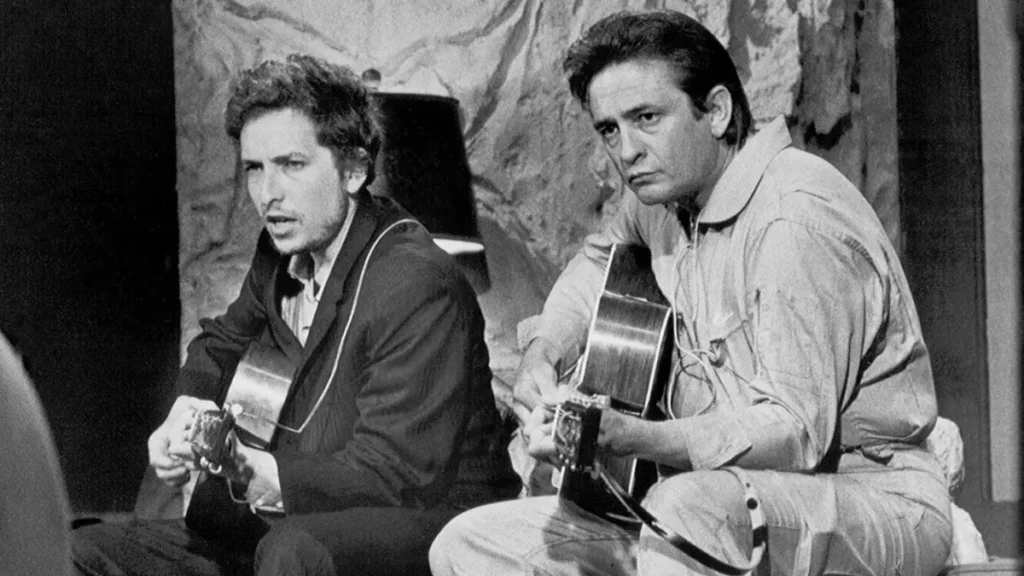
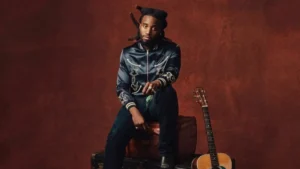
What is fascinating about that list is how intentional the contradictions are. Fela Kuti, the Nigerian Afrobeat legend known for politically charged rhythms and horn-driven arrangements, sits alongside Clipse, the Virginian rap duo famous for dark, hustler lyricism and sparse production. Bob Dylan, the voice of folk storytelling, is next to Pharrell Williams, the architect of infectious modern pop. These are not random influences. They are the precise ingredients of a sound built to resist categorisation.
It was his father who introduced him to country artists like Kenny Rogers and Garth Brooks, while Shaboozey also listened to the likes of Ja Rule and Usher. This fusion exists at the core of his sound. He did not develop this range by trying to be different. He developed it by simply being himself.
How Nigerian Farming Culture Appears in His Lyrical Storytelling
This is where Shaboozey’s story gets genuinely fascinating, and where most profiles of him do not go deep enough.
His parents are Igbo Nigerians. His father was a farmer in Nigeria who later attended college in Texas. His mother is a retired nurse. As a child, he was inspired by hip-hop music videos on 106 & Park, as well as his father’s cowboy style of dress and love of country music. For junior high, he spent two years at a boarding school in Nigeria.
That boarding school period is important. Most American artists inherit one cultural identity and build their sound around it. Shaboozey was actively submerged in a second one during his formative years, deepening his connection to Igbo culture, language, and worldview at the exact age when identity is still being formed.
In an interview with GQ, he credited a part of his love for country music to farming in Nigeria. “Agriculture is a big thing over there. There are a lot of herdsmen. There are a lot of people growing crops,” he said. That connection between land and culture, between farming and storytelling, is not incidental. Country music has always been rooted in rural life, hard work, and a relationship with the land. Igbo culture carries the same values. When Shaboozey sings about struggle, persistence, and roots, he is drawing from both wells simultaneously.
He has said “there’s a connection” between the rural and agrarian lifestyles of Virginia and Nigeria, and that his dad “loved the culture” of the American South, including the music. His father effectively built a bridge between two worlds before Shaboozey ever picked up a microphone.
Even his stage name carries this heritage. His birth name, Chibueze, means “God is king” in Igbo, and he took its mispronunciation for his stage name, courtesy of his high school football coach. The name he performs under is literally a garbled version of an Igbo royal declaration. That is not a detail. That is a thesis statement.
The Role of Martin Scorsese Films in Shaping His Creative Worldview
Most artists list musicians as their primary influences. Shaboozey lists a filmmaker.
He has cited Martin Scorsese films such as Taxi Driver as major creative influences. That tells you something important about how he thinks. He is not just constructing songs. He is constructing worlds, atmospheres, and narratives with a cinematic sensibility that most musicians never develop.
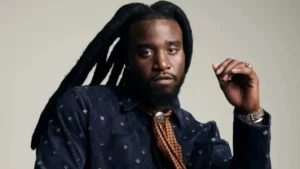
Taxi Driver, the 1976 Scorsese masterpiece, is a film about alienation, identity, and an outsider navigating a world that was never quite built for him. The parallels to Shaboozey’s own story, a Black Nigerian-American artist trying to exist in country music, a genre that was not exactly designed with him in mind, are not difficult to see.
This Scorsese influence extended directly into his professional decisions. He founded V Picture Films, a production company, in 2014, to become a writer, director, and producer. A Scorsese enthusiast and film lover, Shaboozey directed, produced, and edited his own video content from the very beginning. While other rising artists handed their visuals off to someone else, Shaboozey was building a full creative infrastructure, controlling the narrative around his music the way a director controls the narrative around a film.
That instinct, to treat a music career the way Scorsese treats a filmography, with thematic consistency, visual intention, and a refusal to be defined by genre conventions, is exactly what separates Shaboozey from artists who make hit songs from artists who build lasting legacies.
Why He Shelved His Country Project in 2016 and What Changed
Here is the part of the story that rarely gets told.
He first tried to release a country album in 2016, but the project got shelved. At the time, Shaboozey did not think the world was ready for a genre-mixing Black country artist. Instead, he released his debut album Lady Wrangler in October 2018 as a more rap-adjacent project.
Read that again. He had the vision. He had the music. He made a calculated decision that the industry climate in 2016 was not ready for what he wanted to do, and he adapted. That is not a setback. That is strategic awareness. He did not abandon his country instincts. He packaged them differently until the moment was right.
As Shaboozey told NPR, “Music needs to change, and it needs to progress into different things,” adding: “When you see my name, and you see me, you’re kind of confused.” That confusion was always the point. He wanted to walk into a space and make people question what they thought they knew about who belongs in country music, but he needed the cultural conversation to reach a point where that disruption would land properly rather than get dismissed.
Beyoncé’s Cowboy Carter in 2024 proved that the moment had finally arrived. Not because she invented the conversation, but because she made it impossible for the mainstream to ignore it.
“A Bar Song (Tipsy)”: The J-Kwon Interpolation That Redefined His Career
The song that changed everything was not the product of a calculated strategy session. It was born in a room, in a moment, with a melody flying out of nowhere.
“I had been wanting to flip a 2000s song for a while,” Shaboozey said. “I just said, ‘Everybody at the bar getting tipsy,’ and then we were like, ‘Oh, shit!’ The producer picked up the guitar and started playing the chords, and then we started writing, just having fun and being creative.”
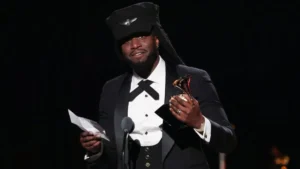
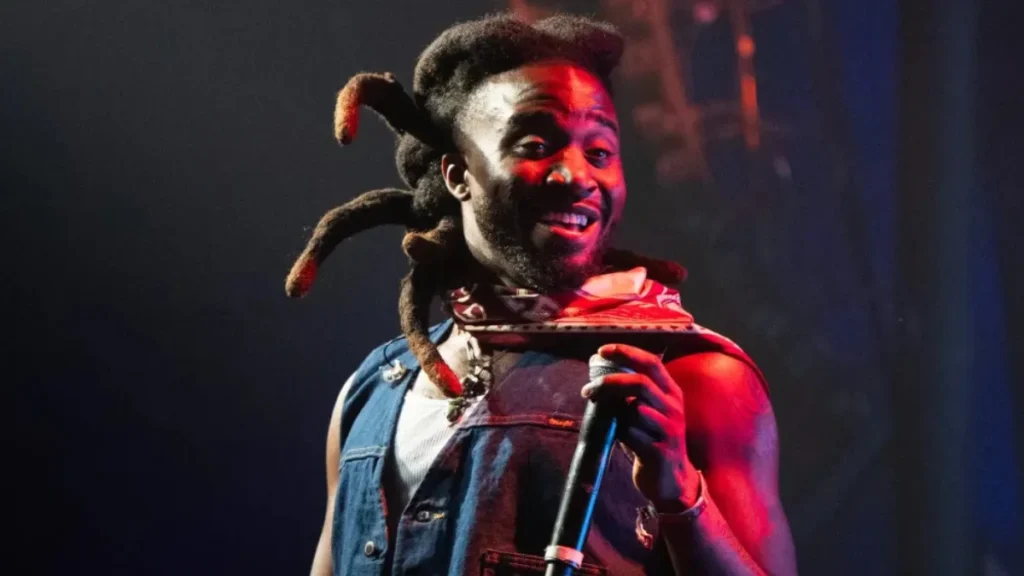
The J-Kwon interpolation was the key. The song fuses the counting lyrics from J-Kwon’s original rap hit with adult concerns that reflect a broader national mood, including the line “This 9-to-5 ain’t workin’, why the hell do I work so hard?” It is a song about drinking that is actually about exhaustion, about a generation working hard and feeling like it is not enough. That resonance crossed every demographic line.
At various times, Shaboozey’s hit topped all three components that make up the Hot 100: the top streaming song for nine weeks, the bestselling digital download for 15 weeks, and the most-played song on the radio for 18 consecutive weeks. It was not just popular in one lane. It dominated everywhere simultaneously.
Making History as the First Black Male Artist to Top All Four Major Charts
The records that “A Bar Song (Tipsy)” broke are not small footnotes. They are genuine milestones in chart history.
It is the first song ever to reach the top 10 on all four Billboard radio charts: Country Airplay, Pop Airplay, Adult Pop Airplay, and Rhythmic Airplay. Only 13 songs overall had even appeared on all four format rankings since those lists began coexisting in March 1996. No song, by anyone, had ever gone top 10 across all four. Not before this.
The song made Shaboozey the first male Black artist to simultaneously chart at number one on the Billboard Hot 100 and Hot Country Songs charts at the same time. It also made him the first male Black artist to simultaneously top the Hot Country Songs and Country Airplay charts. Beyoncé had broken the first barrier earlier in 2024 with “Texas Hold ‘Em.” Shaboozey followed her directly, meaning two Black artists held the top country spot in consecutive weeks for the first time in Billboard history.
The song spent 19 weeks atop the Billboard Hot 100, tying Lil Nas X’s “Old Town Road” as the longest-running number-one song of all time at that point, and the longest by a solo artist.
None of these records happened because the music industry suddenly became progressive. They happened because Shaboozey built a sound so rooted in authenticity, so genuinely formed from his actual life experience, that it defied every gatekeeping mechanism the industry had in place. You cannot keep out a song that half the country is already humming.
He did not break into country music. He walked into it as if he had always belonged. Because, in every way that mattered, he had.