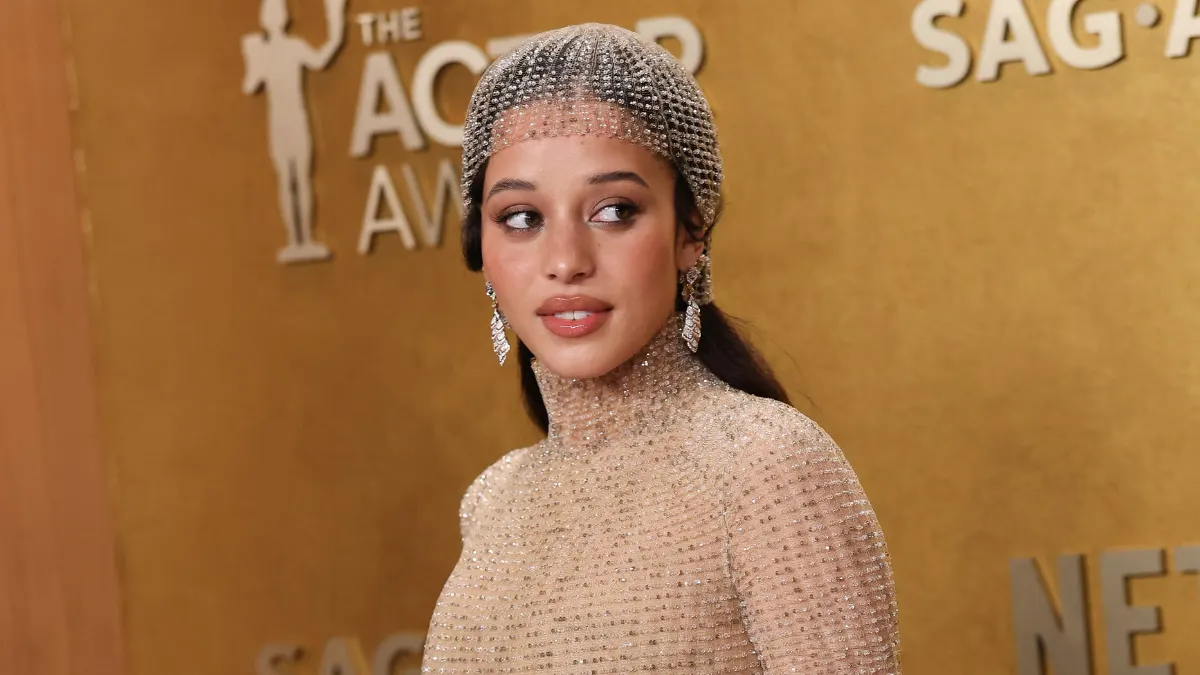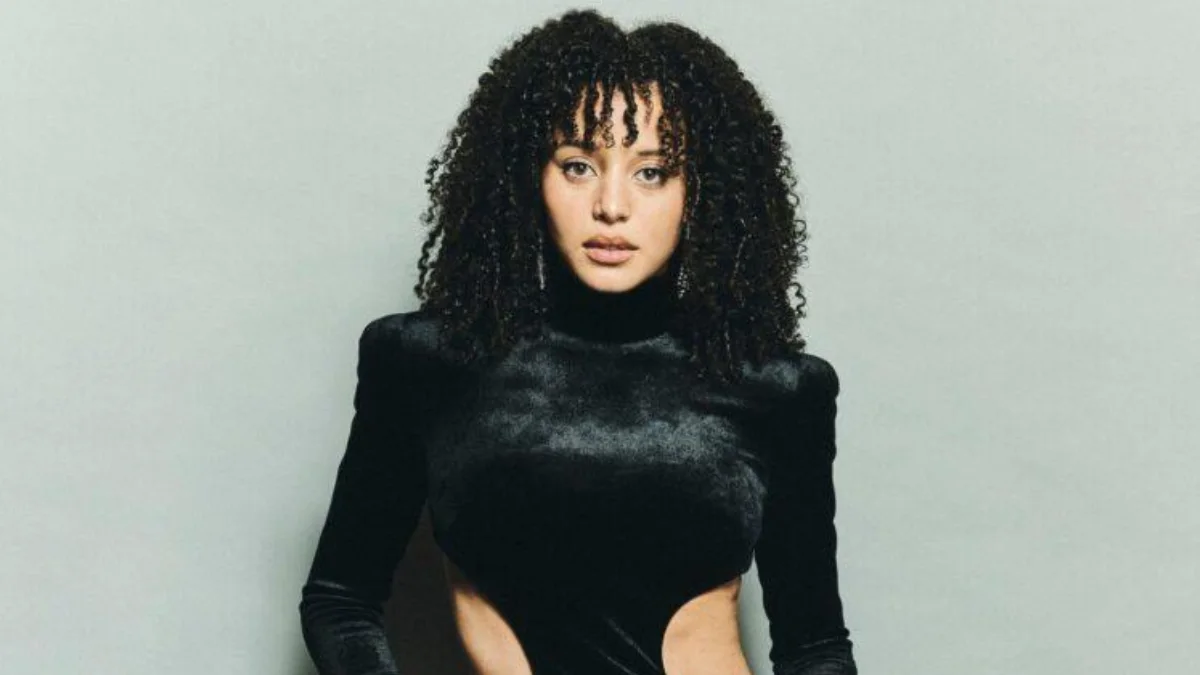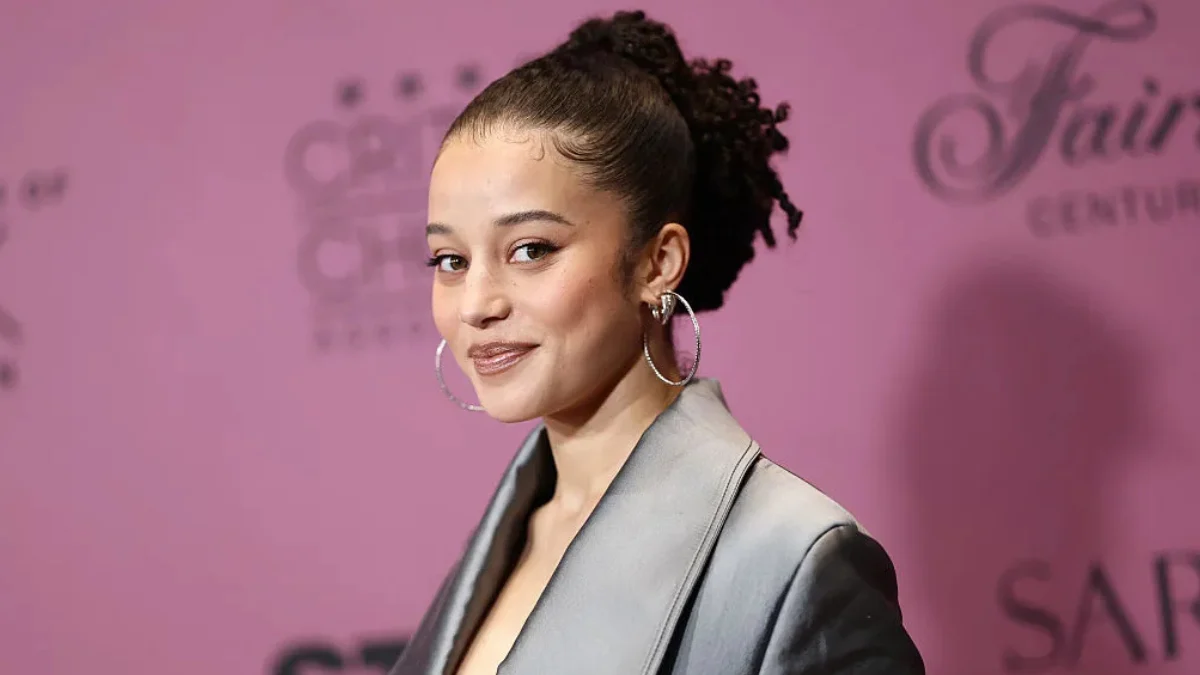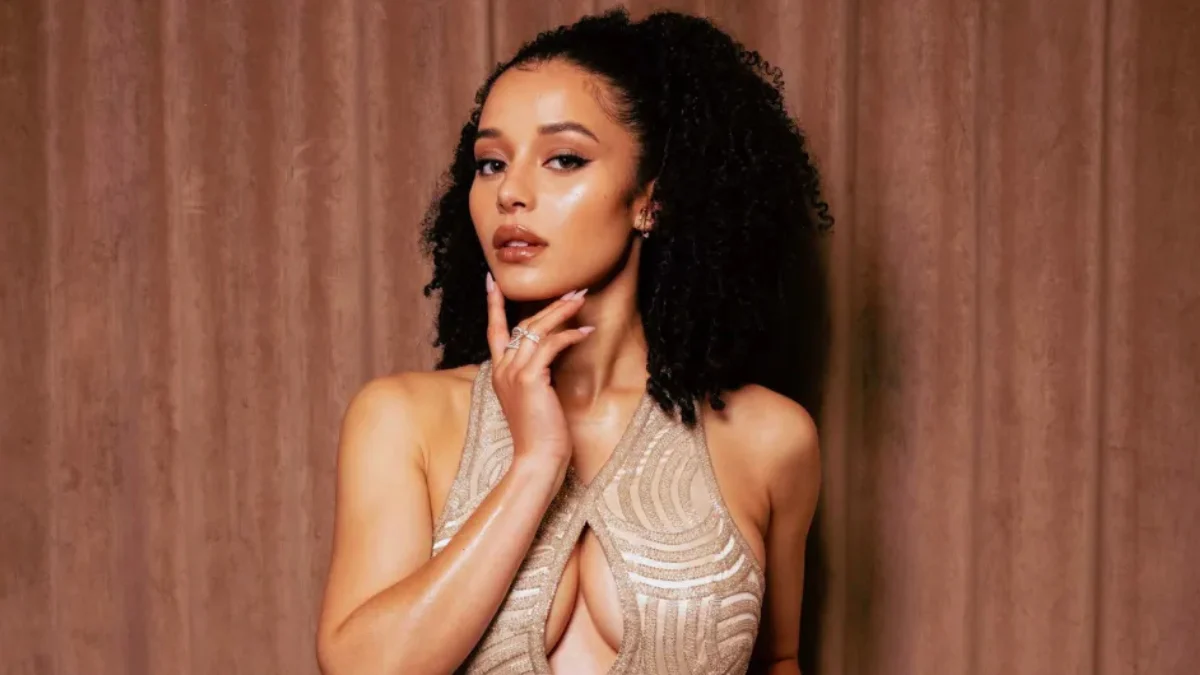
By September 2023, Cailee Spaeny was 25 years old and still largely unknown outside of industry circles. She had built a quiet, impressive resume across six years, but nothing had broken through to a mainstream audience.
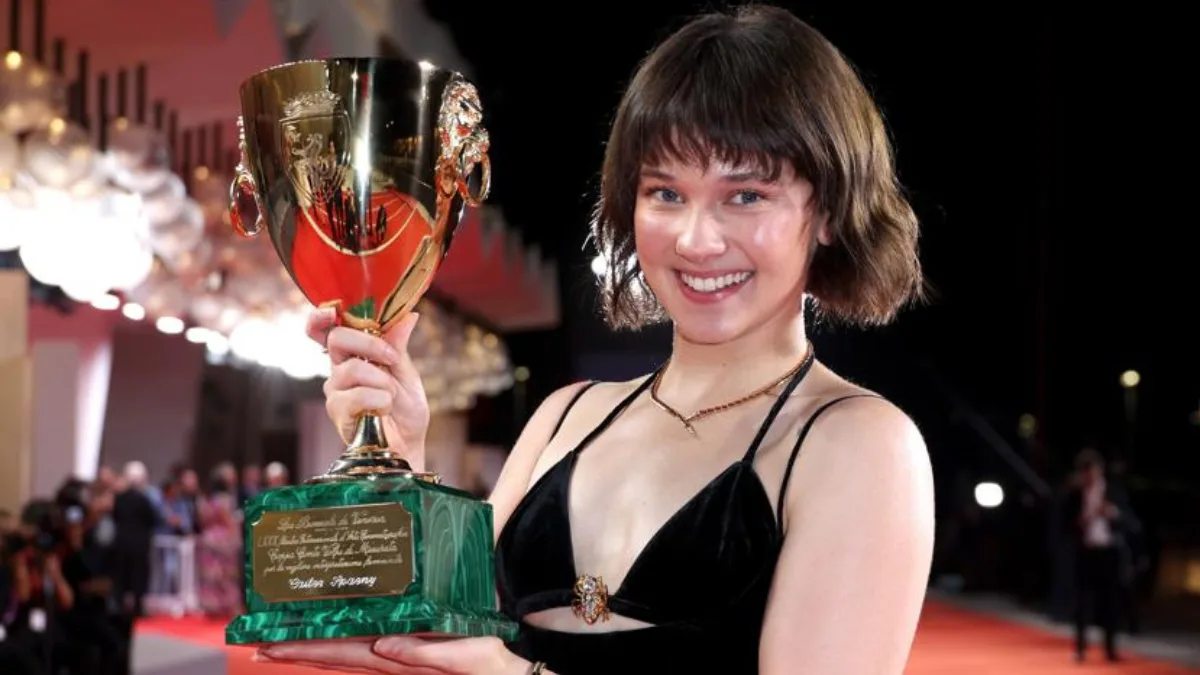
Then she walked onto the stage at the 80th Venice International Film Festival, and everything changed. She won the Volpi Cup for Best Actress, becoming one of the youngest recipients in the festival’s history.
The award came for a role so personal, so physically and emotionally demanding, that she had described the fear as almost paralyzing from the moment she got the call.
Playing Priscilla Presley across 14 years of her life, in just 30 days of shooting, opposite the woman herself sitting in the audience, is not a task most actors would volunteer for. Cailee did not just survive it. She turned it into the defining performance of her generation’s early careers.
Here is exactly how that happened.
How Spaeny Was Cast by Sofia Coppola
The casting of Priscilla did not go through the usual channels. There was no open call, no months-long audition process, no screen test. It started with a text message between two women who had known each other for decades.
Coppola decided to cast Cailee Spaeny after Kirsten Dunst, her longtime collaborator and close friend, recommended her at a time when the filmmaker was looking for her Priscilla. Dunst had been working with Spaeny on Alex Garland’s Civil War and had watched her work up close every day on set. She was so impressed that she went directly to Coppola with the suggestion.
“Kirsten is like a sister to me, and when she recommended Cailee, I paid attention,” Coppola said.
What followed was one of the most surreal mornings of Cailee Spaeny’s life. She got a call from her representatives telling her to get on a plane because Sofia wanted to have coffee with her in New York. At the meeting, Spaeny tried to play it cool while eating croissants with her idol. “All my childhood dreams were coming true,” she recalled.
Coppola pulled out her iPad and showed Spaeny photos of Priscilla. She said, “I think you could do it.” Spaeny felt like Kirsten had passed the torch to her.
Because of Dunst’s endorsement, Spaeny did not even have to audition for the role. She was offered it on the spot, over breakfast, by a director she had idolized since she was a teenager in Missouri. Then she went home, and the fear set in.
“As a teenage girl, she got me into indie films, and one of her films was the first time I ever asked the question of who’s behind the camera. So that was an incredible call to get, but also terrifying. The fear kicked in almost immediately,” she told The Hollywood Reporter.
She found out she had officially booked the role on the last day she and Kirsten Dunst filmed Civil War together. “I got to tell her that I got the role, and she burst into tears and gave me a massive hug. It was a really special, magical, kismet moment,” Spaeny told PEOPLE.
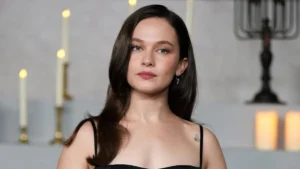
Preparing to Play Priscilla Presley
The challenge of playing Priscilla Presley was not just the fame of the subject. It was the scale of what the role required. Spaeny exhibited an incredible range, playing Priscilla from age 14 to 28. Because she didn’t have the luxury of filming chronologically, there were periods where she had to depict Priscilla at different stages of life in a single day.
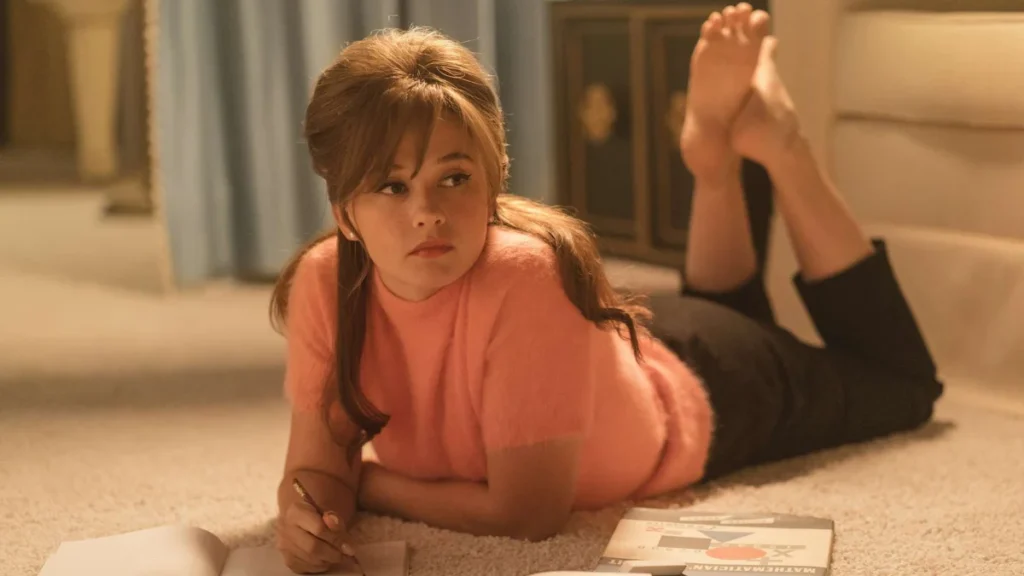
To prepare, she went straight to the source. In researching the role, she leaned heavily on Priscilla Presley’s 1985 autobiography “Elvis and Me,” which was Coppola’s source material for the film. But Spaeny also benefited from meetings with Presley herself.
Spaeny says she was able to meet with Priscilla Presley several times before filming began, where their first conversation was about four hours long. Priscilla Presley was open, sharing the inside jokes she had with Elvis and their more intimate moments.
Those intimate moments became the backbone of the performance. Presley shared anecdotes about her emotional state that went beyond the book’s contents. For example, she recalled being hungry the first time she met Elvis, but she refused food because she couldn’t imagine eating in front of the King. “Those details were really precious,” Spaeny said.
Spaeny also made a deliberate choice about what she would not do. She stayed away from other interpretations of Priscilla Presley, from the 1988 TV movie to her close friend Olivia DeJonge’s portrayal in Baz Luhrmann’s Elvis, because she feared it would affect her performance. “I just wanted it to come from my time with Priscilla herself, and the book and my own view on it,” she said.
She was not preparing to imitate Priscilla Presley. She was preparing to understand her.
Her Personal Connection to the Elvis World
Most actors doing biographical research start from zero. Cailee Spaeny started with a childhood of Elvis already woven into her home.
Her mother was obsessed with the famous crooner and was an avid collector of his memorabilia, with what seemed like a shrine to him in the house growing up. The family even took a road trip to Memphis, Tennessee, to visit the famed Presley family estate, Graceland.
But the connection went deeper than childhood trips. There was a striking parallel between Cailee’s own story and Priscilla’s that she recognized immediately once the role was offered. “We were the same age when we had this conviction, ‘Well, this is my life, and I want this, and I’m a teenager, but…’ Like Priscilla’s family, my family made incredible sacrifices to support that decision,” she said.
Both of them, at 13 and 14 years old, had made decisions that changed the entire direction of their lives. Both had families that sacrificed to support those decisions. Both had been called too young, too inexperienced, not ready. Both had gone anyway.
During their preparation calls, there was one moment that stopped both women cold. Spaeny and Presley were on the phone when Presley suddenly gasped. Elvis had come on her radio in the background. “Does he come up on your radio a lot?” Spaeny asked. “No, he doesn’t. That’s a bit strange,” Presley said. Spaeny carried that moment with her into filming.
Performance Details That Won Critical Acclaim
What separated Cailee Spaeny’s performance from a surface-level impersonation was the physicality of restraint. She was not giving a big, awards-bait performance. She was doing the harder thing.
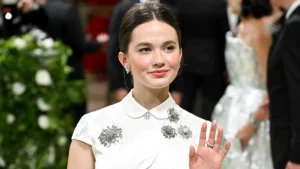
Her performance is defined less by her dialogue than by subtle expressions and gestures. She perfectly captures both Presley’s longing for Elvis and her frustration at the ways he comes to control and shape her life.
One of the things Priscilla told her was, “Make sure that the love is there.” And Spaeny held onto that. Show the lows, but make sure you show the highs in their relationship, because when Priscilla talks about these times, she looks back at these memories fondly.
The film was structured impressionistically, not chronologically. Sofia tells it like you’re entering a memory. It’s very impressionistic. We never stay on a beat too long. It’s an Alice in Wonderland-type dreamland where she’s trying to find her way and then comes out on the other side seeing things more clearly, Spaeny described.
One of the most technically demanding scenes in the film came on day two of shooting. The shot of Priscilla driving away from Graceland was filmed on day two. They only had two takes to shoot it because they were losing light. The scene was silent, no dialogue, but director Coppola had Dolly Parton’s “I Will Always Love You” playing in the backseat of the car while filming.
Critic Richard Roeper called her performance “star-making, beautifully rendered, and subtle,” while Peter Travers praised Spaeny for the way she “digs deep into the life and loneliness” of her character. These were not polite notices. These were critics who had covered Priscilla Presley’s story across multiple film versions, calling this the one that finally got it right.
The Venice Film Festival Win
The premiere at Venice was not just a professional milestone for Cailee Spaeny. It was one of the most emotionally loaded nights of her life.
The film premiered to much acclaim, including a seven-minute standing ovation, which was such a whirlwind experience for Spaeny that she was still processing it. But the standing ovation was not what she was focused on. Priscilla Presley was sitting next to her.
At the film’s Venice premiere, Jacob Elordi sat sandwiched between Presley and a very anxious Spaeny, who felt she might faint from fear. She tried to tell herself that whatever Presley thought of her performance, she would survive it. But then, as the lights came up, Presley turned to her. “That was a great performance,” she said. “I watched my life through you.”
That single sentence, from the woman whose life the film was built around, was the review that mattered most.
At the awards ceremony, Spaeny dedicated her Volpi Cup to Priscilla Presley “for trusting me with something truly complex, so personal and difficult.”
“I didn’t even know that was a thing,” she said of being awarded the Volpi Cup. “I actually haven’t even looked up who the past winners are. Hopefully it’s good for the film. It’s such a relief taking on this, the most complicated character I’ve ever played, and to have that appreciated is so nice.”
Golden Globe Nomination and Awards Season
The Volpi Cup was the opening shot. What followed was a full awards season campaign that placed Cailee Spaeny in conversations she had never been part of before.
She received a Golden Globe nomination for Best Performance by a Female Actor in a Motion Picture in the Drama category in January 2024, cementing her arrival on the global stage.
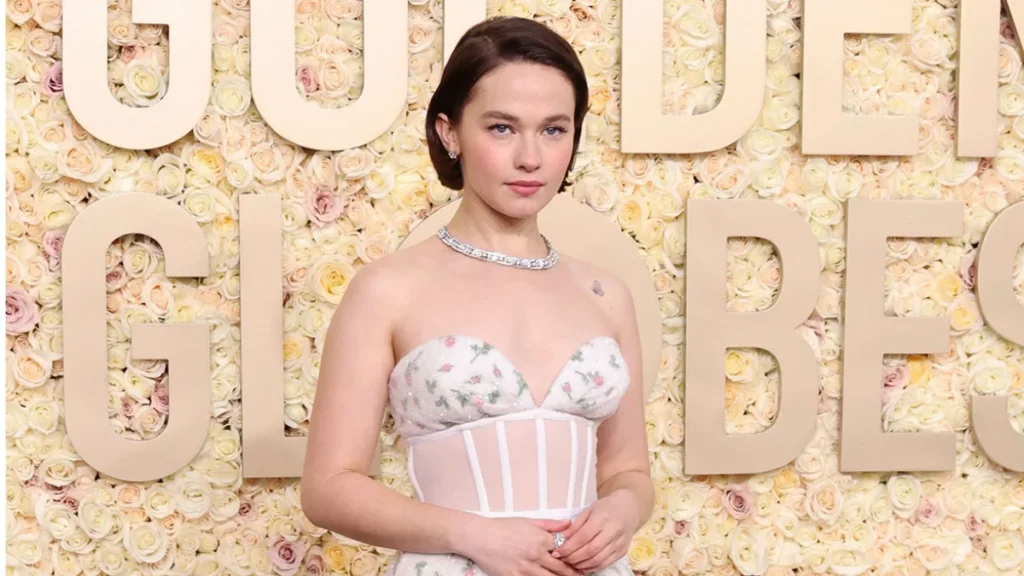
The nomination put her in the company of women who had been honored in this category for taking on fact-based roles, including Renee Zellweger as Judy Garland, Andra Day as Billie Holiday, and Nicole Kidman as Lucille Ball. She was 25. Most of those predecessors had waited decades for their defining role. She found hers in year six.
The Golden Globes ceremony itself brought another unexpected moment. Spaeny’s performance notably drew the attention of Taylor Swift, who praised the actor for the role upon meeting her at the 2024 Golden Globes.
Awards season in Hollywood runs on momentum. The Venice win, followed by the Globe nomination, followed by critical consensus from the year’s most respected reviewers, all of it built a case that was impossible to ignore. Even in a year with Emma Stone’s epochal performance in Poor Things dominating every room, critics kept coming back to Spaeny’s work in Priscilla as the example of what a quiet, interior performance could accomplish.
Impact of the Role on Her Career Trajectory
Before Priscilla, Cailee Spaeny was a name that serious film watchers recognized. After Venice, she was a name that everyone had to know.
Along the way, she has shared the screen with a formidable roster, including Glenn Close, Daniel Craig, Wagner Moura, Kirsten Dunst, Oscar Isaac, and Carey Mulligan. “It’s been one of the most exciting and fulfilling periods creatively. I’ve really been pushing myself with the projects I’m taking on. Acting is still a mystery to me. I’m still fascinated by exploring different genres and characters,” she said.
The A24 relationship deepened. The director relationships strengthened. Alex Garland brought her back for Civil War. Rian Johnson cast her in Wake Up Dead Man. A24 signed her for Deep Cuts. Every door that Priscilla opened, she walked through.
Priscilla would be her second leading A24 role of three, with Civil War the first, and Deep Cuts set to be her fourth leading role in an A24 production. That is not a coincidence. That is what happens when a studio watches an actor deliver a Volpi Cup-winning performance on a 30-day schedule, against all odds, and decides they want to keep making movies together.
The girl from Springfield, Missouri who spent four years driving to Los Angeles to hear no, who rehearsed her lines on a bathroom floor at midnight, who made her parents a PowerPoint at 14 to convince them to let her pursue acting, sat in a theater in Venice at 25 with the real Priscilla Presley on one side and a standing ovation in front of her. “The icing on the cake,” she said of the whole experience, “was working with a director whom I’ve looked up to my whole life.”