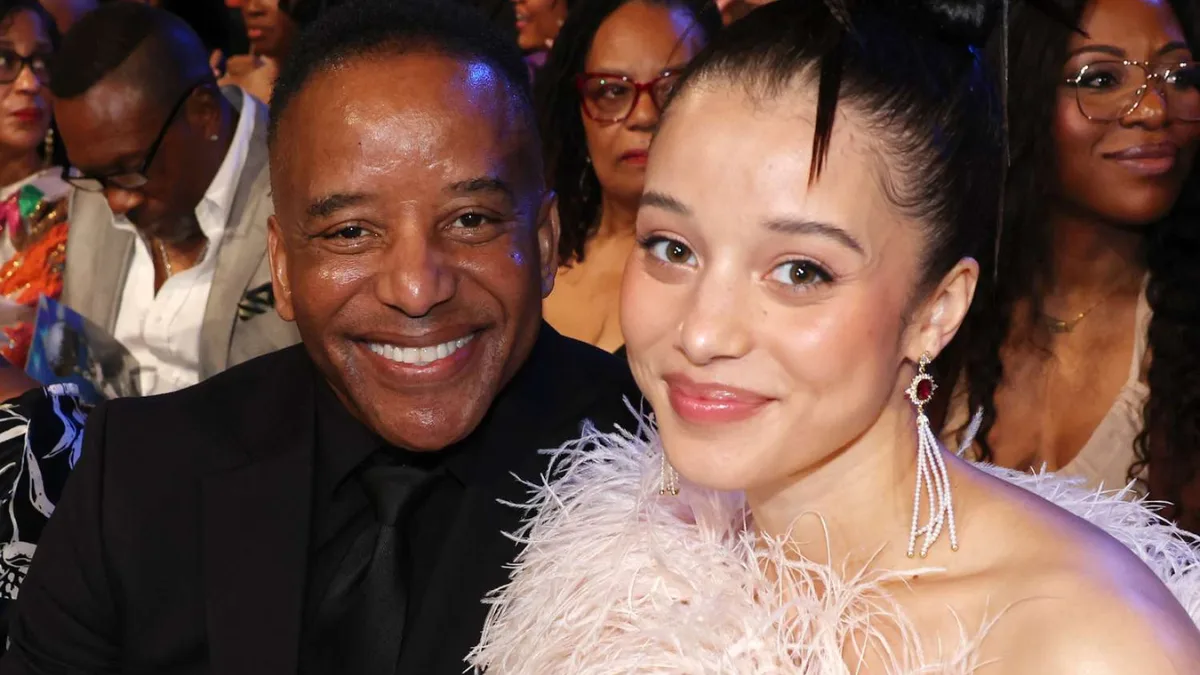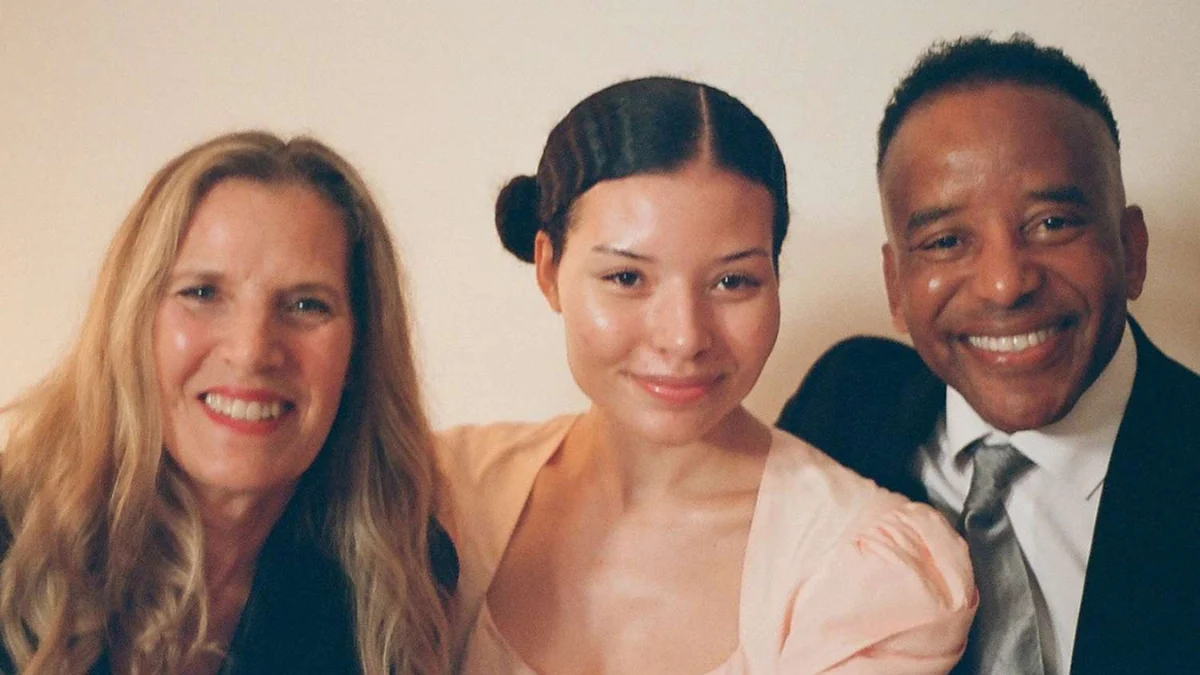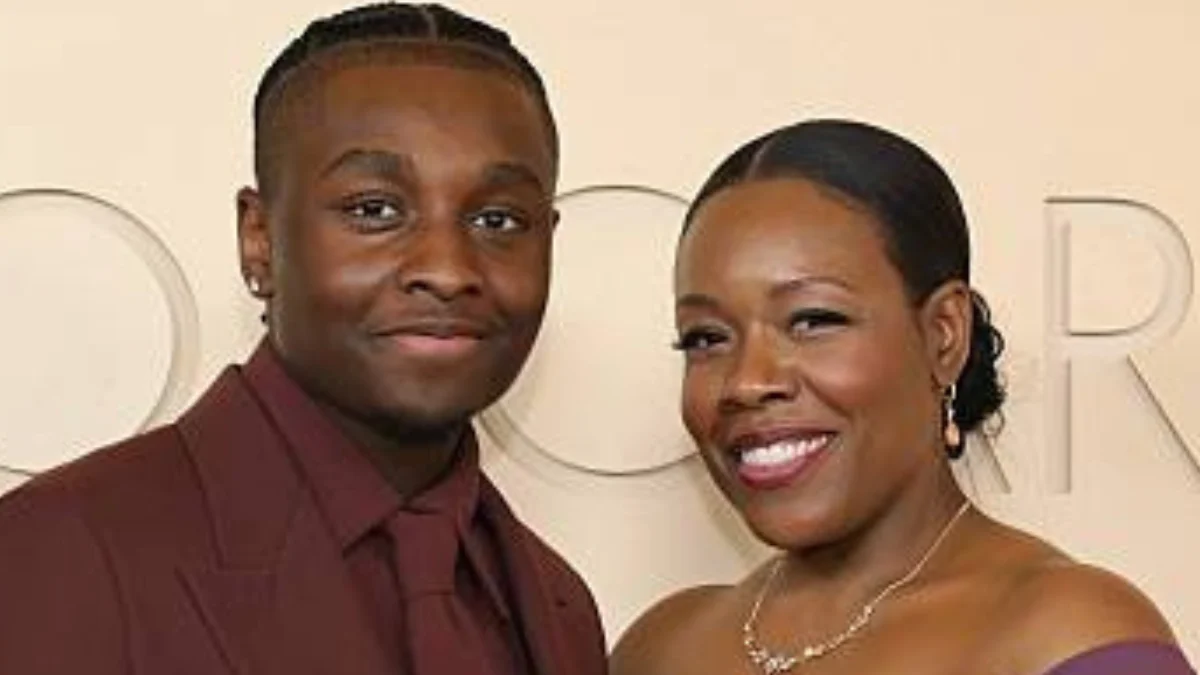
Before the world knew Miles Caton as the breakout star of Ryan Coogler’s Sinners, before the Critics’ Choice Award, before Jay-Z sampled his voice, before $360 million at the box office — there was a small boy in Brooklyn singing before he could even fully speak.
He started at age two. Not because someone forced him. But because music was not a hobby in his household. It was a way of life. A calling passed down through blood.
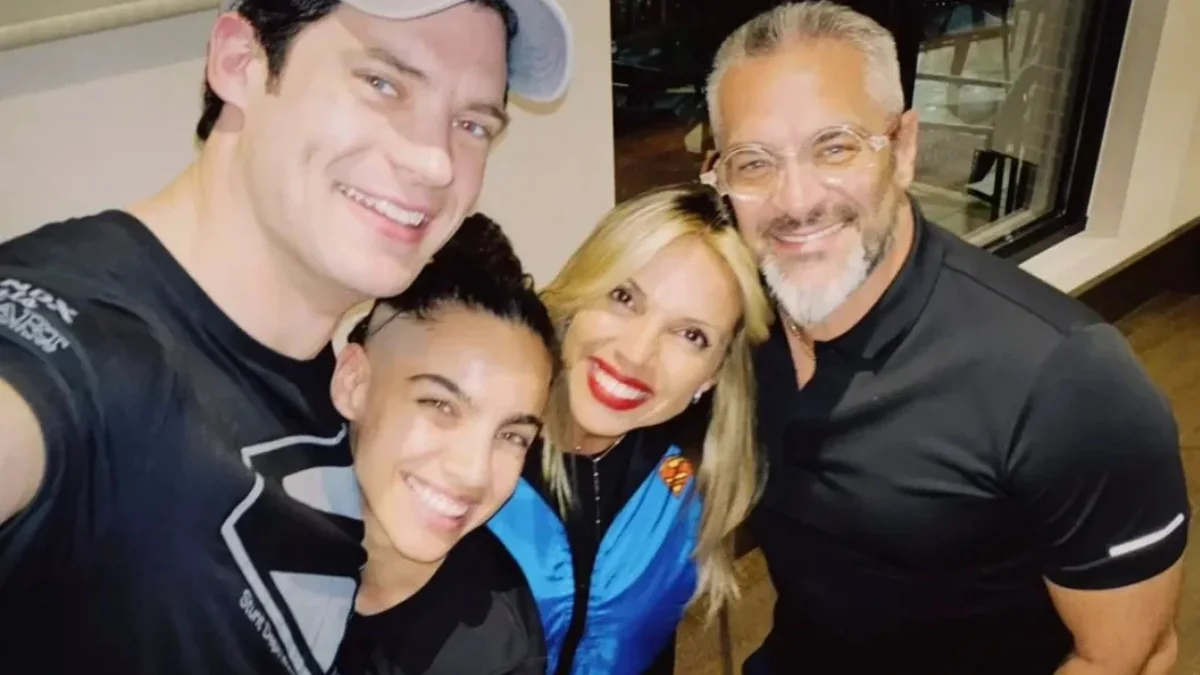
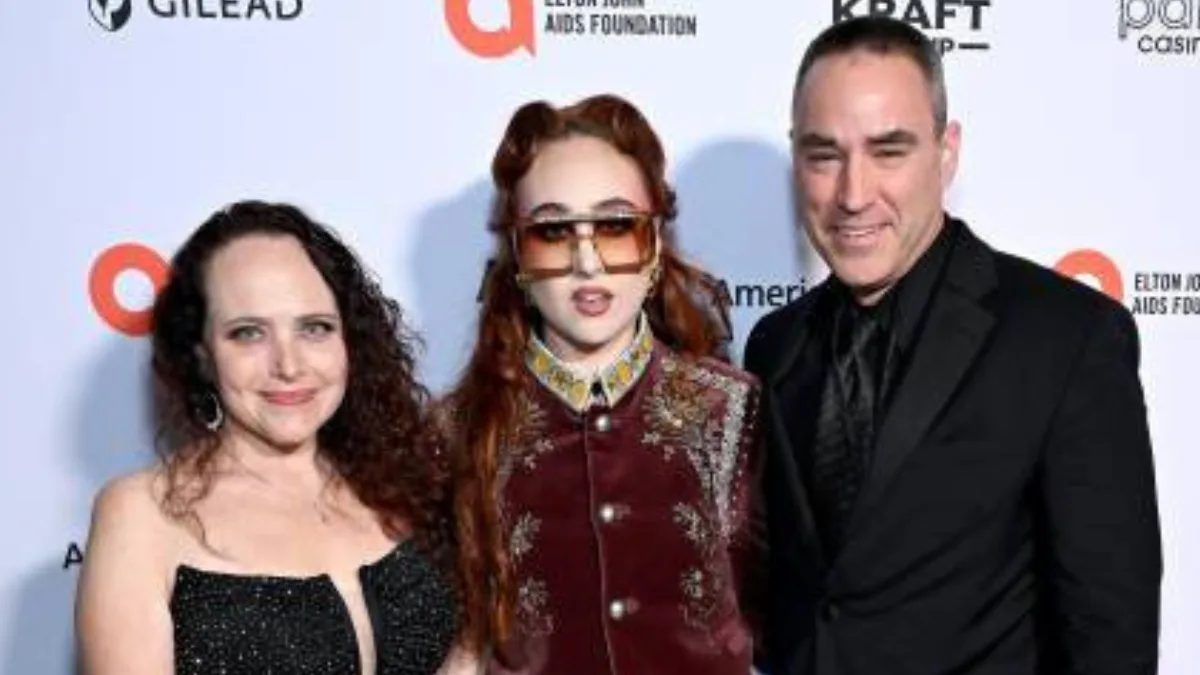
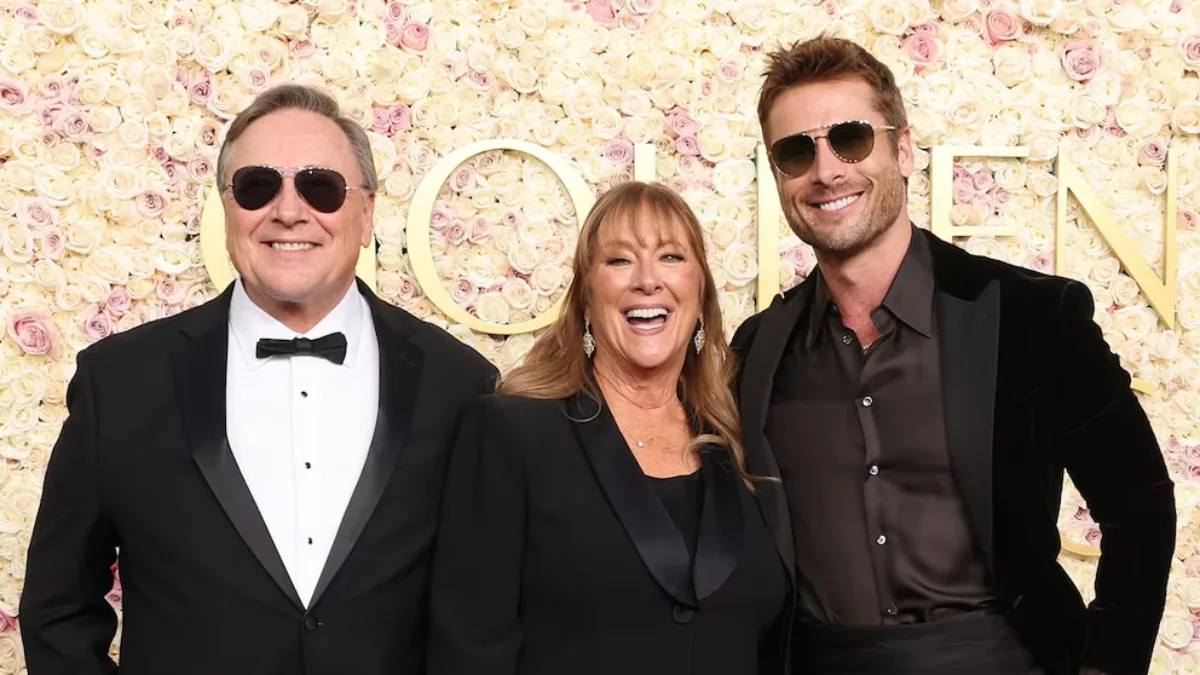
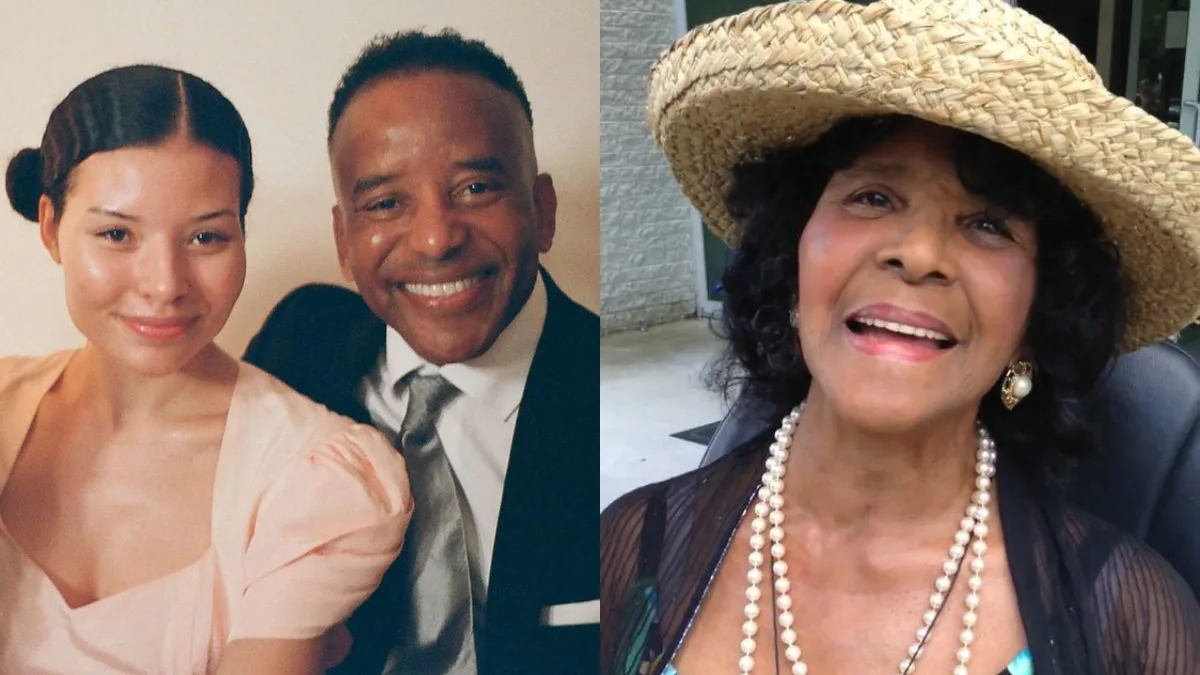
His mother, Timiney Figueroa, is one of the most respected voices in gospel music. His grandfather built a church from the ground up. His aunt has moved congregations to tears on some of gospel’s biggest recordings. Miles Caton was not discovered by Hollywood. He was shaped, note by note, in a Pentecostal household in Brooklyn where faith and music were inseparable.
And once you understand where he comes from, everything about his rise makes perfect sense.
Who Is Miles Caton Mother, Timiney Figueroa?
Timiney Figueroa-Caton is a renowned gospel vocalist best known for her work with Hezekiah Walker, most notably on the classic “Calling My Name,” as well as with Kurt Carr, where she led the powerful track “I Believe God.” These are not minor credits in gospel circles. Hezekiah Walker is one of the most decorated names in the entire genre, and being the featured voice on his recordings is the kind of recognition that follows a singer for life.
Timiney was raised in a deeply spiritual household and was recognised as a singer from as early as age three. She went on to perform alongside some of the most notable artists in gospel music, including Grammy winner Bishop Hezekiah Walker, Tasha Cobbs, and the Brooklyn Tabernacle Choir.
But beyond the stage, her most important role was the one she played at home. From an early age, she devoted time to teaching, directing, and improving Miles’s vocal performance. She was not just his mother. She was his first vocal coach, his first audience, and his most honest critic.
Ahead of the release of Sinners, she posted about her son’s debut with unmistakable pride, writing: “Miles, you’ve been a star from day 1, now the world will know what mommy has always known.” That message alone tells you everything about the kind of belief system this woman built around her son.

The Gospel Music Legacy of the Figueroa Family
Timiney is not the only musician in the family, and that is what makes this story genuinely remarkable.
Her sister, Anaysha Figueroa-Cooper, is another gospel powerhouse whose stirring vocals are featured on Todd Galberth’s “Let Praises Rise.” Both women have also released music of their own, further showcasing the depth of talent in this family.
Miles himself has described coming from an “extremely musical family” where every member “can sing or play some type of instrument.” That is not an exaggeration. It is simply the reality of growing up in Figueroa.
Even the moments of pure aunty pride say everything. When Miles appeared in a romantic scene in Sinners opposite co-star Jayme Lawson, Anaysha Figueroa-Cooper later confirmed on Instagram that she was the one who caused a stir in the audience, joking: “HECK YEA, I crashed out! Not just for me but for ALL the #AuntieMoms in the world who have to watch their nieces and nephews become adults right in our faces.”
This is a family that shows up. Loudly. With love.

His Grandfather, Archbishop Eric Figueroa Sr. — Faith and Family Authority
To fully understand Miles Caton, you have to understand the man at the top of this family tree.
Bishop Eric R. Figueroa Sr. is a native of Brooklyn who holds doctorates in both Divinity and Theology. In 1983, he founded New Life Tabernacle, a ministry built on interdenominational relationships and advancing the Kingdom of God.
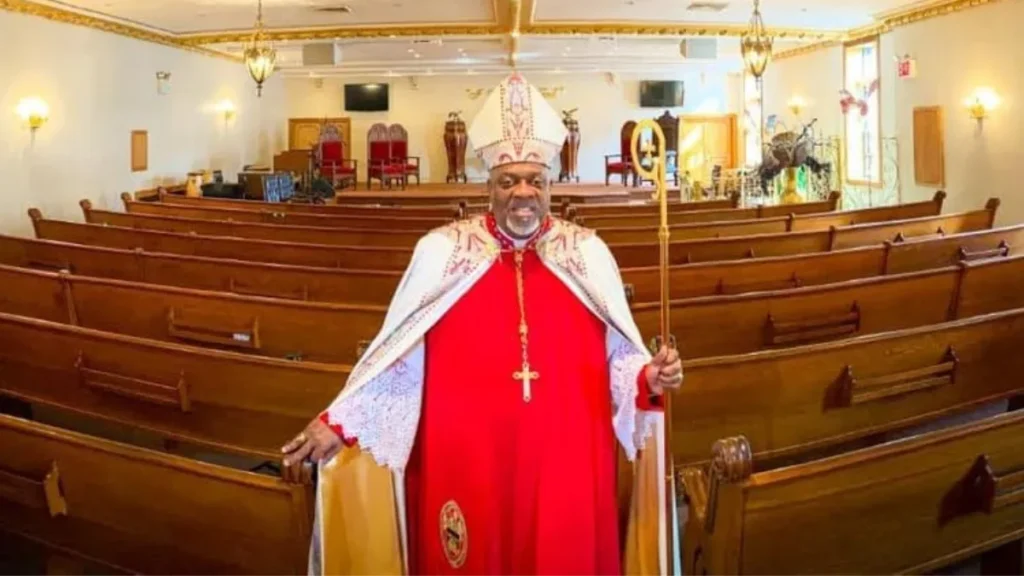
He followed in the footsteps of his own grandfather, the late Reverend David A. Figueroa Sr., Pastor of Mount Zion Pentecostal Faith Church, making him the third generation in a family line of ministers. The faith did not arrive with Bishop Figueroa. It was already in the blood before him.
Archbishop Eric R. Figueroa Sr. helms both the New Life Tabernacle and New Life Covenant as senior pastor and archbishop. Miles grew up under that authority. Not in a restrictive sense, but in the way that truly anchors a young person.
Miles has spoken about this directly. “I grew up in church. My grandfather’s a pastor, so that’s a big part of who I am. I relate to Sammie a lot. His upbringing and the whole religious aspect of growing, not just as a man, but also growing in your faith, how you view the world, and how you move in it,” he said.
That quote is striking because Sinners is literally a film about a preacher’s son torn between faith and music. Miles was not acting from imagination. He was drawing from memory.

How Growing Up in a Pentecostal Household Shaped His Voice
There is something different about a voice trained in a Pentecostal church. It is not just technique. It is conviction.
Raised in church, Miles started singing at the age of two, and it was clear early on that the gift of music and ministry was in his life. He performed in front of congregations long before he ever stood in front of a television audience. That environment demands authenticity. You cannot fake worship to people who know what it sounds like.
He began singing at the age of two and quickly made a name for himself with viral performances that landed him on national platforms like “Little Big Shots” and “The View.” But before any of that came years of singing in church, in a choir, in a family where being average was never an option.
When Ryan Coogler watched his audition tape for Sinners, he reportedly said Miles had “a once-in-a-lifetime voice.” That voice did not come from a recording studio. It came from New Life Tabernacle on Bedford Avenue, Brooklyn.
The Role His Family Played in His Earliest Performances
Miles was not simply encouraged to sing. He was placed in situations where his voice could grow from the very beginning.
He performed a Sam Cooke song at the Lakeview, New York branch of the NAACP’s 24th Annual Freedom Fund Awards Gala in October 2010— when he was just five years old. Five. Most kids that age are learning the alphabet. Miles was performing Sam Cooke for a formal audience.
He used competitions such as Little Big Shots, hosted by Steve Harvey, to minister to the masses, choosing songs such as “For Every Mountain” by Kurt Carr. That song choice was not random. Kurt Carr is one of the artists whose own mother has recorded with. The family influence was right there on national television, and most viewers had no idea.
Co-Signs From Gospel Legends — How Family Connections Opened Doors
Talent gets you noticed. But in gospel music, relationships carry you through doors that talent alone cannot open.
According to L’Officiel, Caton received co-signs from greats like Fred Hammond, Faith Evans, Erica Campbell, and Bishop T.D. Jakes. These are not people who co-sign strangers. These are endorsements that come through a community. Through years of watching a family show up, serve the church, and raise their children the right way.
His mother, Timiney, has also been consistent in publicly championing her son, earning the unofficial title of “Mama Miles” among fans who have followed the family’s journey. Her pride is not performative. It is the natural result of a mother who poured everything she had into a child she believed in long before anyone else did.
What Miles Has Said About His Mother’s Influence on His Career
Miles does not speak about his mother in passing. He speaks about her the way people speak about foundations.
He often notes that his family keeps him humble and reminds him of his roots, and that his mother’s influence is especially strong because she taught him the importance of using his voice to inspire others.
In a world where overnight success stories are packaged and sold as if talent appeared from nowhere, Miles Caton is a reminder that behind every great voice is usually a greater story. It happened in a Brooklyn church. It was passed down by a bishop grandfather, nurtured by a gospel-singing mother, and reinforced by an aunt who was not afraid to crash out in a movie theater when the world was watching.
The voice that stopped Ryan Coogler in his tracks did not come out of thin air. It was shaped from a young age by a mother who instilled in him a deep appreciation for music. And by a family that understood, long before Hollywood did, that Miles Caton was always going to be exactly this.