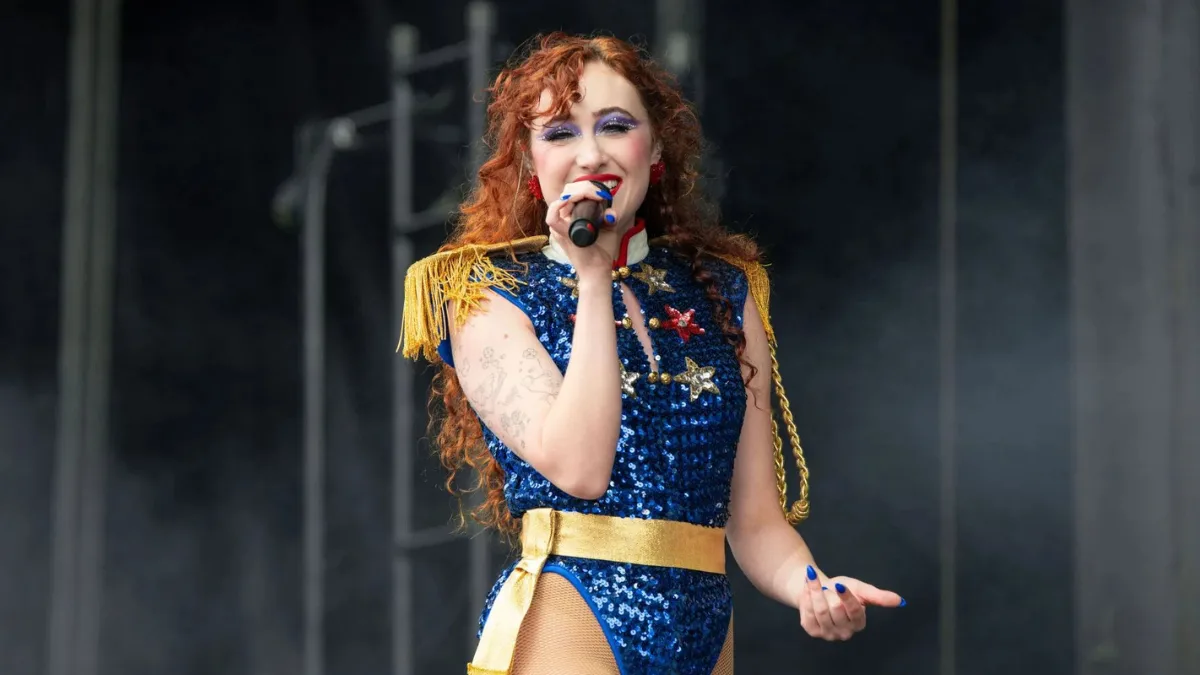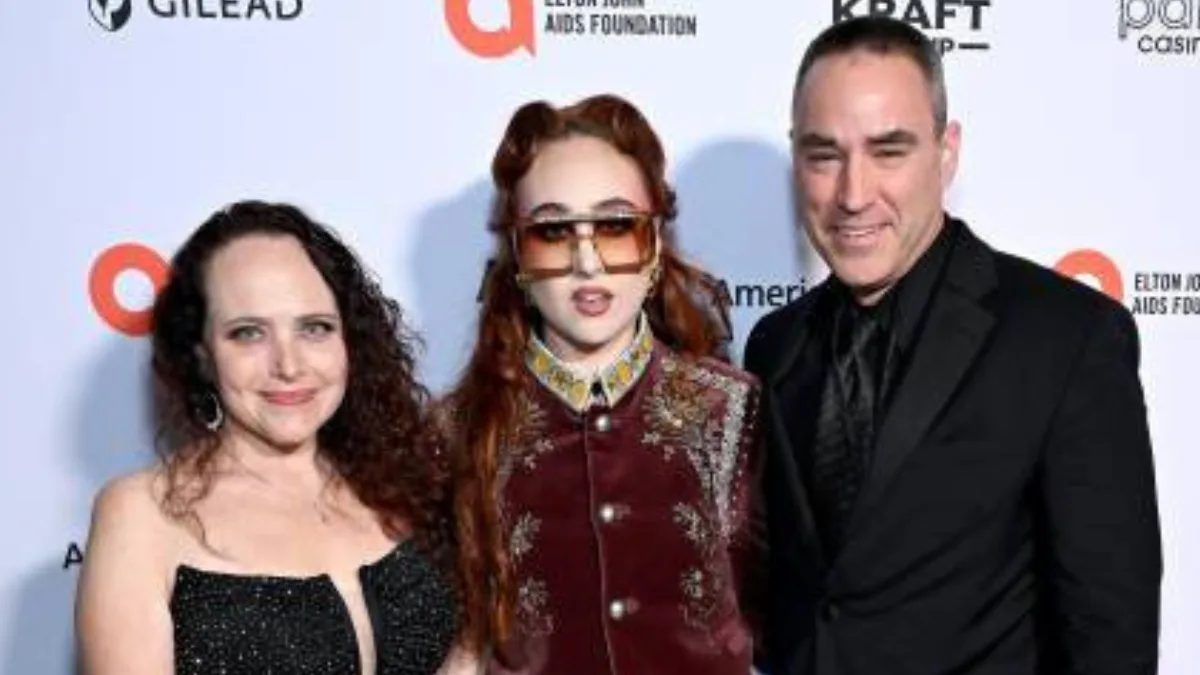
She sold out arenas, topped charts, and became the most talked-about pop star of 2024. But before Chappell Roan was performing in sequined gowns for thousands of screaming fans, she was Kayleigh Rose Amstutz, a kid from a small Missouri town, raised by a veterinarian mom and a Navy reservist dad in a conservative Christian household.
And their story is far more layered than most fans realize.
The relationship between Chappell Roan and her parents, Kara and Dwight Amstutz, has gone through real tension, quiet evolution, and genuine reconciliation. It is a story about a family trying to understand a daughter who was always going to be bigger than the world she grew up in.
And if you have ever wondered how the woman behind “Pink Pony Club” became who she is, this is where it actually starts.
Who Are Chappell Roan Parents?
Kara and Dwight Amstutz raised Chappell, whose real name is Kayleigh Rose Amstutz, in Willard, Missouri, a small town of roughly 6,000 people. It is the kind of place where everyone knows everyone, Friday nights mean football, and church is a cornerstone of community life.
Dwight Amstutz served as a retired naval reservist, while Kara worked as a veterinarian. By all accounts, they were a grounded, hardworking couple raising their daughter in a faith-rooted, traditional environment.
What made things complicated early on was not a lack of love. It was a fundamental difference in how the world looked to Kayleigh versus how it looked to everyone around her.
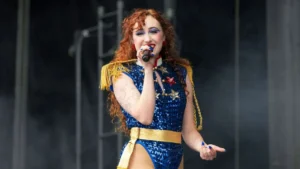
Kara Amstutz: The Veterinarian Mom Hiding in Plain Sight in Pink Pony Club
If you have listened closely to Chappell Roan’s music, Kara is already in it.
“Pink Pony Club,” the breakout anthem that introduced millions of listeners to Chappell’s world, contains a pointed lyrical reference to her mother’s reaction to her dreams. The song captures the feeling of a young girl from a small town desperately wanting to perform, to be seen, to live loudly, while sensing that the people she loves most may not fully understand why.

Kara is described by those close to the family as a warm but grounded woman. Her career as a veterinarian reflects a pragmatic, science-driven worldview, which likely made the sequins, the drag-inspired aesthetics, and the queer storytelling a harder pill to swallow, at least initially.
What is clear, though, is that Kara never stopped being her daughter’s mother. And over time, that mattered more than any disagreement.
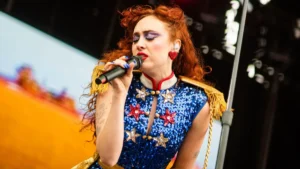
Dwight Amstutz: Retired Naval Reservist, Proud Dad, and That Carpool Karaoke Moment
If Kara is the quietly referenced figure in the lyrics, Dwight is the one who went viral.
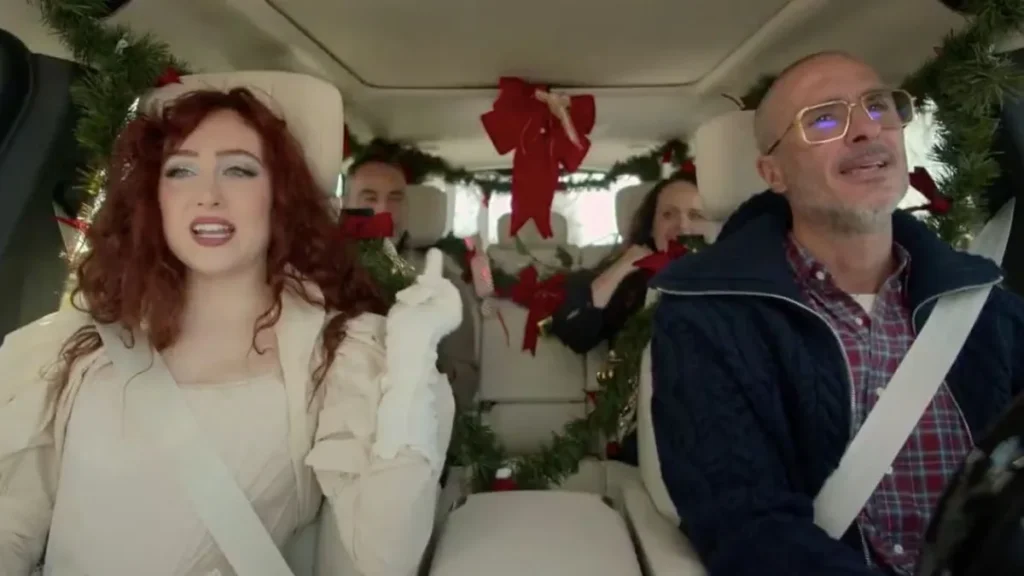
Dwight Amstutz became a fan favorite when footage circulated of him enthusiastically supporting his daughter, including a now-famous carpool karaoke moment that showed a dad who had clearly come a long way from any early reservations. Fans described the clip as genuinely moving, a father singing along, beaming, fully present.
For a man who served in the naval reserves and came from a conservative background, that kind of visible, public pride in a daughter whose entire artistic identity challenges traditional norms is not a small thing. It is the result of work, time, and a willingness to choose relationship over rigidity.
Dwight’s journey mirrors what many parents quietly go through when a child’s life takes a direction they did not expect. He just happened to do it in front of millions of people.
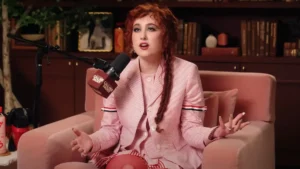
Raising Kayleigh: A Conservative Christian Household in Willard, Missouri
Growing up in Willard meant growing up in a place where Chappell’s instincts, her flamboyance, her queerness, her obsession with pop music and performance, did not exactly blend in.
She has spoken in interviews about feeling like an outsider from a young age, as if she were too much for a town not built for her. The conservative Christian environment of her household added another layer. Faith was not a backdrop in the Amstutz home. It was central.
This context makes her music make so much more sense. “Pink Pony Club” is not just a bop. It is a document of a girl who felt the weight of expectation and chose, loudly and deliberately, to walk away from it anyway.
What is worth noting is that Chappell has never spoken about her upbringing with cruelty or contempt. She acknowledges the tension without erasing the love, which says a great deal about both her and her parents.
How Her Parents Responded to Her Queer Identity and Stage Persona
Chappell Roan came out as queer, and her stage persona, built on drag culture, camp, and maximalist femininity, made her identity impossible to ignore or sidestep.
For Kara and Dwight, this required a real adjustment. By Chappell’s own account, the early years of her career involved genuine friction with her family. Her values and her art were evolving in directions that did not align comfortably with what she had been raised to believe, and her family had to decide how to respond.
They chose to stay.
That decision did not happen overnight. But it happened. And it changed everything about how their family functions today.
Family Therapy, Reconciliation, and the Bond That Exists Today
Chappell has referenced family therapy as part of how the Amstutz family navigated their way back to each other. That detail is worth sitting with for a moment, because it reflects something real about how reconciliation actually works. It is not a single conversation. It is not one viral video of a proud dad. It is structured, uncomfortable, and ongoing work.
The bond that exists today between Chappell and her parents appears to be one built on hard-won understanding. She has spoken warmly about her family in interviews, even while acknowledging the difficulty of their shared history.
For fans who grew up navigating similar tensions with their own families, especially queer fans from religious or conservative backgrounds, this part of Chappell’s story carries significant emotional weight. It suggests that some of those relationships can survive, even thrive, if both sides are willing to do the work.
The Downside of Fame: Stalking, Leaked Numbers, and Family Safety Concerns
Fame at Chappell’s level not only affects the artist. It reaches the people around her, too, and not always in good ways.
There have been documented concerns around fan behavior crossing into dangerous territory, including incidents where personal information related to Chappell and people close to her was leaked online. Phone numbers, addresses, and private details have reportedly surfaced in fan communities, raising serious safety concerns for her family back in Missouri.
Chappell has been vocal about the darker side of parasocial fan culture, calling out behavior that she considers harmful and boundary-violating. The safety of her family has been part of that conversation.
For Kara and Dwight, who live private lives far from the entertainment industry, this is one of the stranger and more frightening consequences of their daughter’s success.