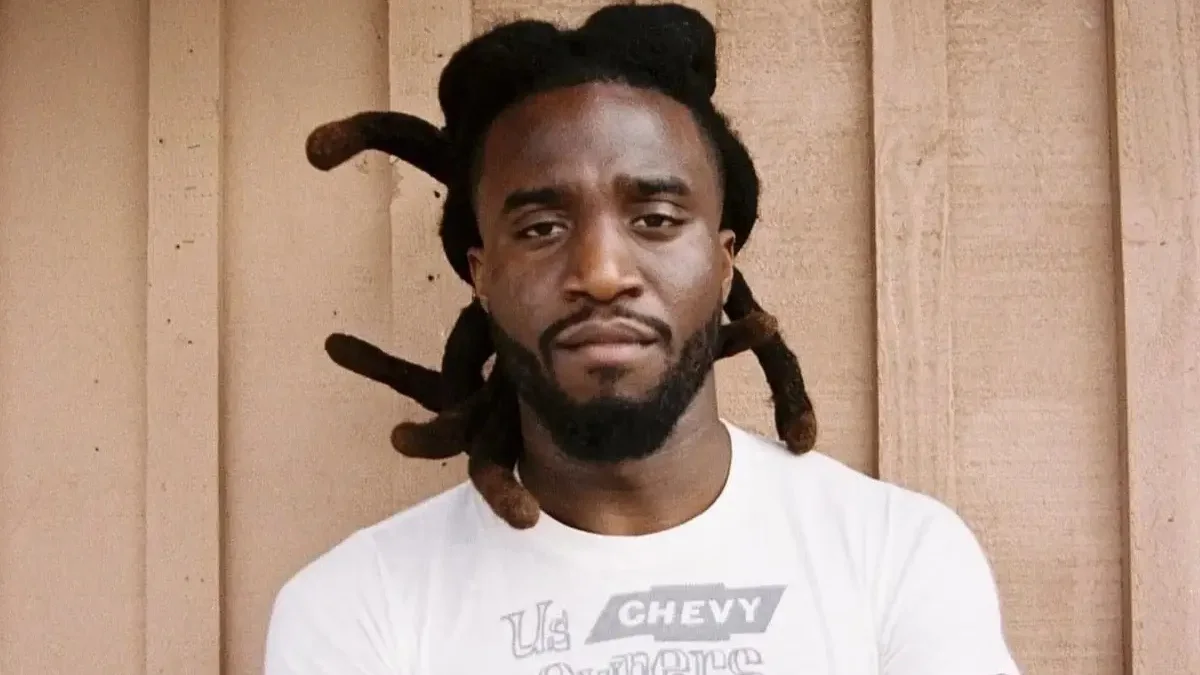
He’s the man who dominated country radio with one of the biggest songs of 2024, spending a record-breaking 19 weeks at number one on the Billboard Hot 100. But behind Shaboozey’s rise to becoming one of the most talked-about names in country music is a story that starts thousands of miles away from Nashville. It starts in Nigeria.
Most fans know Shaboozey as the Virginia-raised artist blending country, hip-hop, and Americana into something that feels entirely new. But fewer know that his sound, his grit, and even his love for cowboy culture trace directly back to his Nigerian parents, particularly a father who arrived in Texas with farming roots, a work ethic forged in the Igbo tradition, and a deep, genuine love for Kenny Rogers and Dolly Parton.
This is not just a feel-good origin story. It’s the missing piece that explains everything.
Who Are Shaboozey’s Parents? His Igbo Nigerian Heritage Explained
Shaboozey, born Collins Obinna Chibueze, comes from Igbo heritage, one of Nigeria’s largest and most culturally distinct ethnic groups, known historically for their entrepreneurial spirit, strong family values, and deep community ties.
His parents immigrated to the United States, eventually settling in Woodbridge, Virginia, where Shaboozey grew up. While he was raised American in every practical sense, his Igbo Nigerian roots were never something the family quietly put aside. They were present at the dinner table, in the way his parents spoke about hard work, and in the cultural pride that shaped how young Collins saw himself and the world around him.
In interviews, Shaboozey has been open about this dual identity, describing himself as someone who carries Nigeria in his blood while simultaneously being a product of American culture and music. That combination, far from being a contradiction, turned out to be his greatest creative advantage.
His Father: From Nigerian Farming Roots to Studying College in Texas
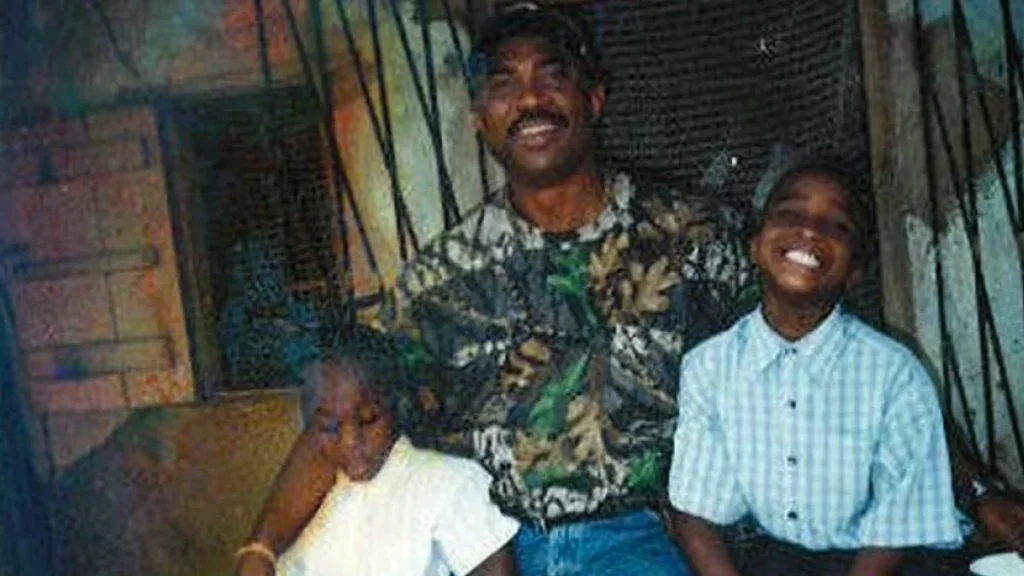
Shaboozey’s father grew up in Nigeria with a background rooted in farming, a life connected to land, labor, and the kind of patience that only comes from working with nature on its own terms. That upbringing shaped a man who understood that nothing worthwhile comes without sustained effort.
He eventually made his way to the United States to pursue higher education, studying in Texas, which turned out to be a pivotal detail in the Shaboozey story. Because Texas, with its wide open spaces, its ranching culture, and its deep country music tradition, did something unexpected to a young Nigerian man far from home.
It made him fall in love with country music.
This was not a casual appreciation. Shaboozey’s father genuinely connected with the storytelling, the simplicity, and the emotional honesty embedded in classic country. He saw something in it that resonated with where he came from, music about struggle, land, love, and endurance.
Why Shaboozey’s Father Wore Cowboy Hats and Loved Kenny Rogers and Dolly Parton
Here is the detail that stops people when they first hear it. Shaboozey’s father wore cowboy hats. Not for a costume, not as a joke, but because he genuinely embraced the culture he encountered in Texas and made it his own.
Kenny Rogers and Dolly Parton were staples in the Chibueze household. Songs like “The Gambler” and “Jolene” weren’t just background noise. They were part of the soundtrack of family life, playing in the home of a Nigerian immigrant who had found something universal in American country music.
When Shaboozey talks about growing up around country music, he is not describing a forced exposure or a childhood accident. He is describing a home where his Nigerian father had already built a bridge between two worlds long before his son ever picked up a guitar.
That is a remarkable thing. And it reframes everything about how Shaboozey’s music should be understood.
He is not an outsider bringing hip-hop into country. He is a son continuing a tradition his father started, just with his own generation’s voice layered on top of it.
His Mother: A Retired Nurse Who Initially Wanted Him to Pursue a Different Path
Shaboozey’s mother brought a different but equally important energy to his upbringing. A retired nurse, she represented the practical, sacrificial side of the immigrant parent story. She had worked hard in a demanding profession, and like many parents who immigrate and build from nothing, she wanted security for her son more than she wanted him chasing an unpredictable dream.
Early on, she was not fully on board with the music path. This is a detail Shaboozey has acknowledged without bitterness, because he understands exactly where it came from. When you have watched your parents work that hard, it is difficult to explain why you are betting everything on a music career that might not pay off for years.
And for Shaboozey, it did not pay off quickly. His rise was a decade-long grind, full of near-misses, independent releases, and moments that would have broken someone with less conviction. Knowing his mother had initial reservations makes his eventual success feel even more earned.
The Onstage Moment His Mom Joined Him in a Cowboy Hat During “A Bar Song”
Then came the moment that turned into one of the most emotionally resonant images of his 2024 breakthrough.
During a live performance, Shaboozey brought his mother onstage while performing “A Bar Song (Tipsy),” the track that would go on to shatter country music chart records. She came out wearing a cowboy hat, and the crowd’s reaction said everything.
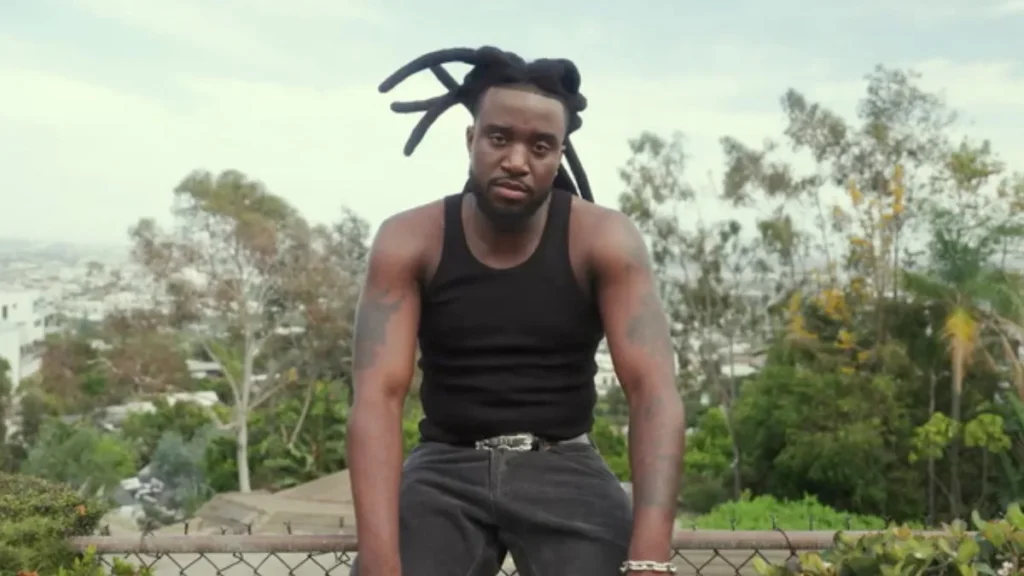
It was not just a sweet celebrity moment for social media. It was the visual conclusion to a longer story. The Nigerian nurse who had once hoped her son would find a more conventional path was now standing beside him, in a cowboy hat, in front of thousands of people, while he performed one of the biggest country songs in Billboard history.
That image means more when you know the full context. And now you do.
How Both Parents Instilled the Work Ethic That Fueled His Decade-Long Grind
Shaboozey did not become an overnight success. He spent years building independently, releasing music that earned him respect in niche circles while mainstream recognition stayed just out of reach. That kind of sustained effort does not come from talent alone. It comes from how you were raised.
Both of his parents, in different ways, modeled what it looks like to keep going. His father left Nigeria, pursued education in a foreign country, built a life, and never stopped showing up. His mother spent years in nursing, one of the most demanding and emotionally taxing professions that exists, and she did it with the same quiet consistency.
Shaboozey absorbed that. His decade-long grind before the breakthrough was not stubbornness. It was an inheritance.
What “Nigeria Will Always Be in My Blood” Means in the Context of His Upbringing
When Shaboozey says Nigeria will always be in his blood, it is easy to read that as a standard celebrity acknowledgment of heritage. Something polite and expected.
But in his case, it carries real weight.
His Nigerian identity is not separate from his country music career. It is woven into it. The Igbo values his parents carried from home, the work ethic, the community loyalty, and the refusal to see yourself as less than; those are the same qualities that kept him going through years of obscurity.
And his father’s love of Kenny Rogers and Dolly Parton was not an assimilation story. It was proof that great music belongs to no single culture. That a farmer’s son from Nigeria could hear something in a cowboy’s song and recognize it as his own truth.
Shaboozey is what happens when two worlds do not just collide but genuinely understand each other. And it turns out that combination makes for some of the most compelling music of the decade.