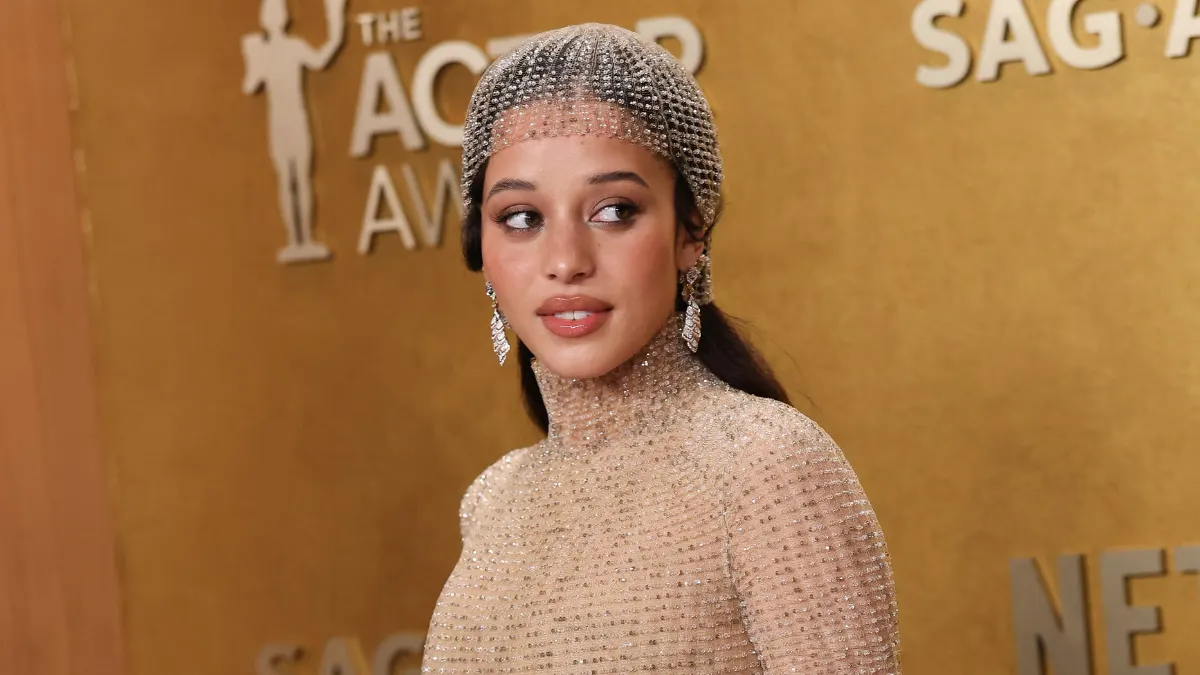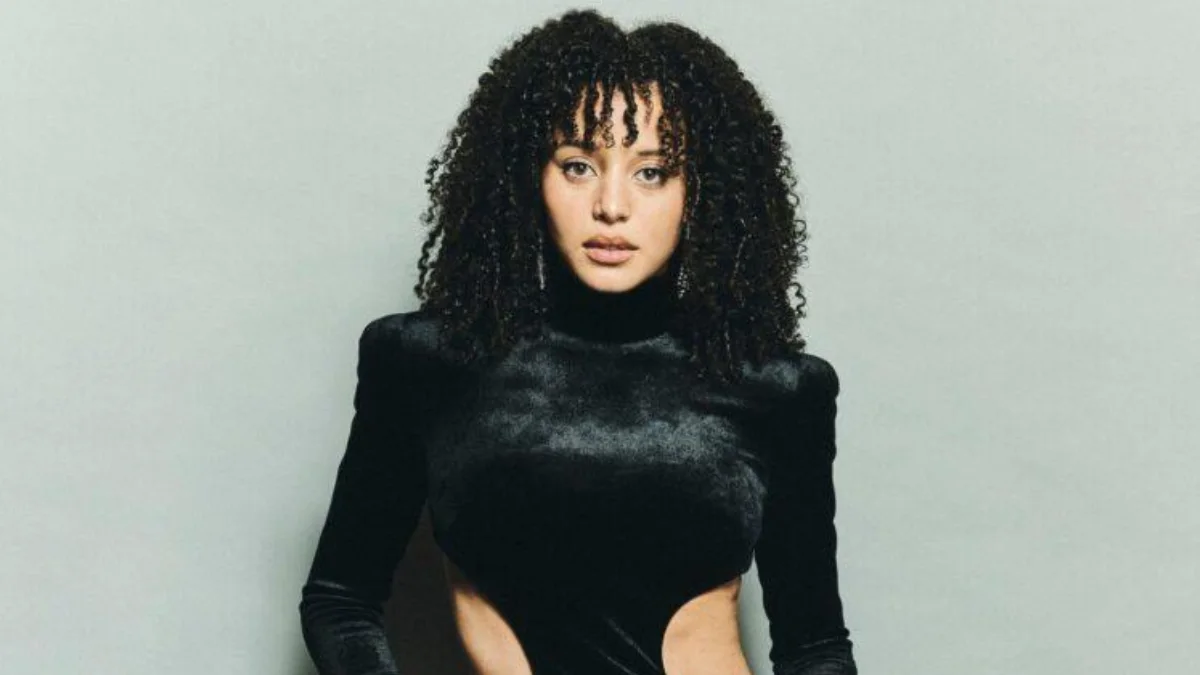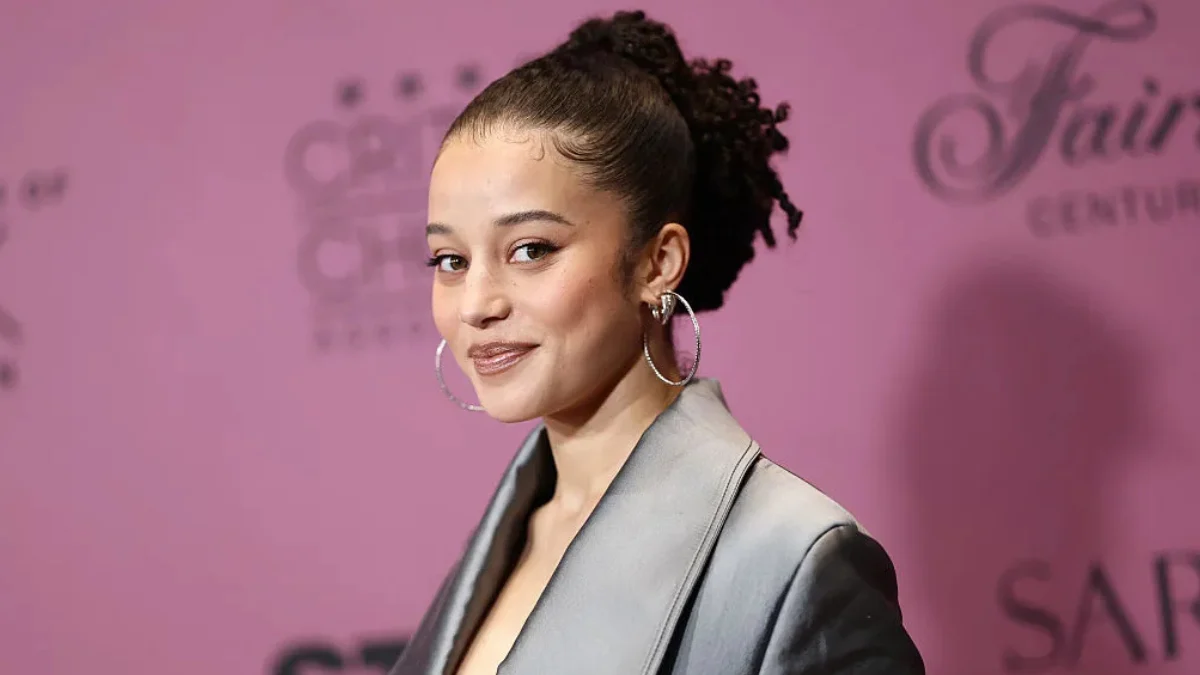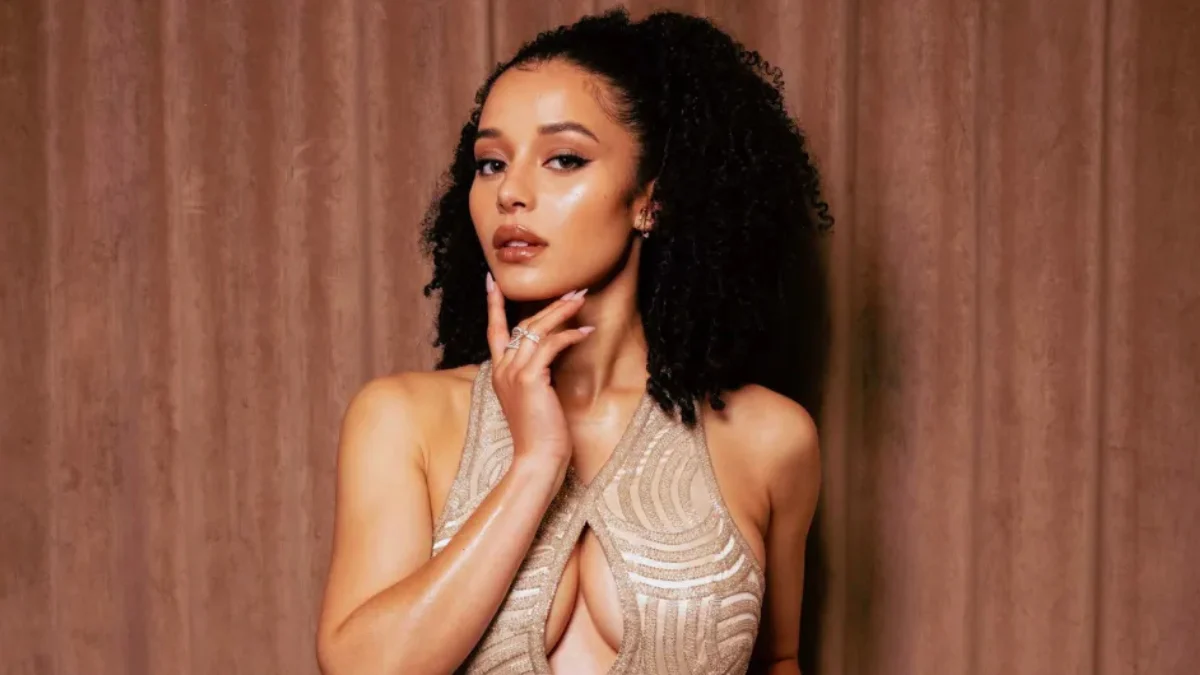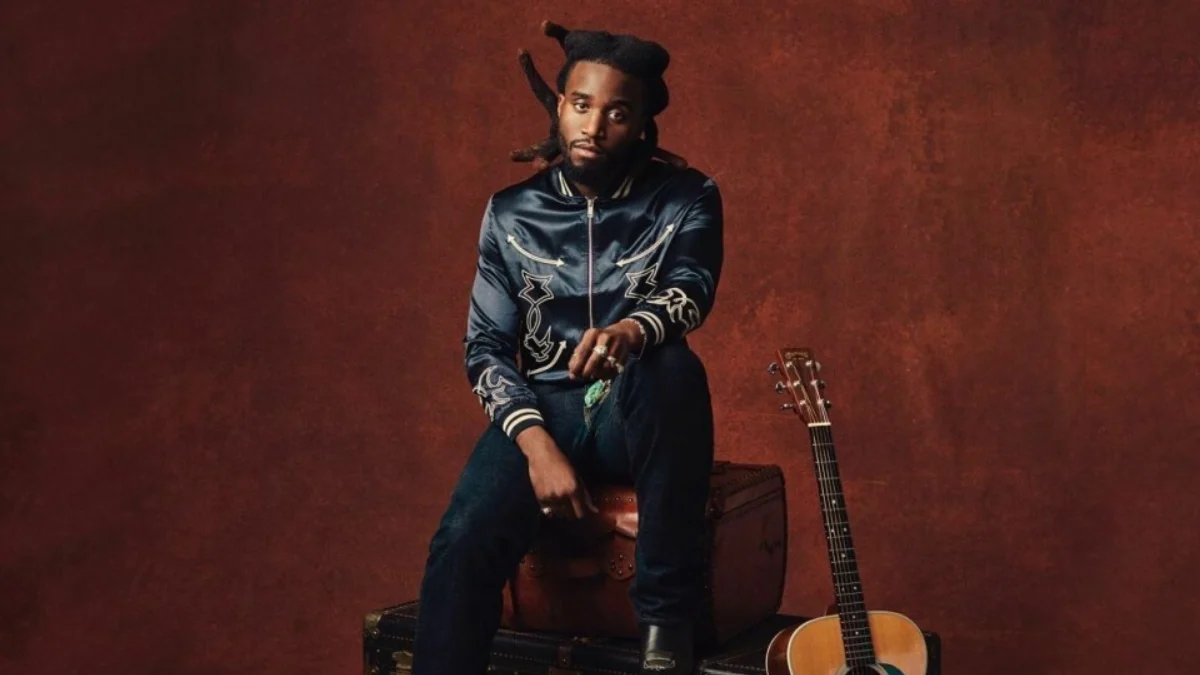
Before the Billboard records, before the Beyoncé feature, before a song called “A Bar Song (Tipsy)” sat on top of the charts for nineteen weeks and made history, there was a kid from Woodbridge, Virginia, named Collins Obinna Chibueze who just wanted to write novels.
He grew up in a suburb half an hour south of Washington, D.C., the son of Nigerian immigrants who brought country music and farming culture from two different continents into one household.
He went to boarding school in Nigeria, played freshman football, and spent years turning his complicated name, his complicated heritage, and his complicated relationship with American music into something nobody had heard before.
The world knows him as Shaboozey.
But understanding who he really is means going back to where it all started.
Who Is Shaboozey? Birth Name, Date, and Hometown Explained
Collins Obinna Chibueze, born May 9, 1995, is known professionally as Shaboozey. He is an American singer whose music combines country, Americana, and hip-hop.
Shaboozey’s birthplace is Woodbridge, Virginia, USA. Woodbridge sits in Prince William County, just outside the D.C. metropolitan area. It is not a small town in the traditional sense, but it is the kind of place that feels slightly removed from the noise of the city, tucked between the interstate and the suburbs, where life moves at its own pace.
Shaboozey’s full name is Collins Obinna Chibueze. The singer-songwriter got his stage name from a memorable mispronunciation of his surname, an Igbo word that means “God is King.”
That word, Chibueze, carries enormous weight. It is not just a name. It is a declaration of faith from Igbo culture, passed down through his family from Nigeria. His father migrated from Nigeria to attend school in Texas and would become involved in community building. He eventually bought land in Virginia, where he and his Nigerian wife settled and where Chibueze was born.
Shaboozey is currently 30 years old, turning 31 in May 2026. And the road from that Woodbridge suburb to the top of the Billboard Hot 100 is one of the more genuinely interesting origin stories in recent music history.
Growing Up in Woodbridge: Nigerian Heritage Meets American Culture
Woodbridge in the 1990s and early 2000s was not the obvious incubator for a genre-bending country and hip-hop star. And yet, in retrospect, it could not have been a more perfect place.
That part of the United States is where the North bleeds into the South, a cultural nexus that has birthed a long line of musical talents, including Pharrell, Timbaland, and Missy Elliott, but also the Carter Family, Patsy Cline, and Emmylou Harris, an alumna of Shaboozey’s high school.
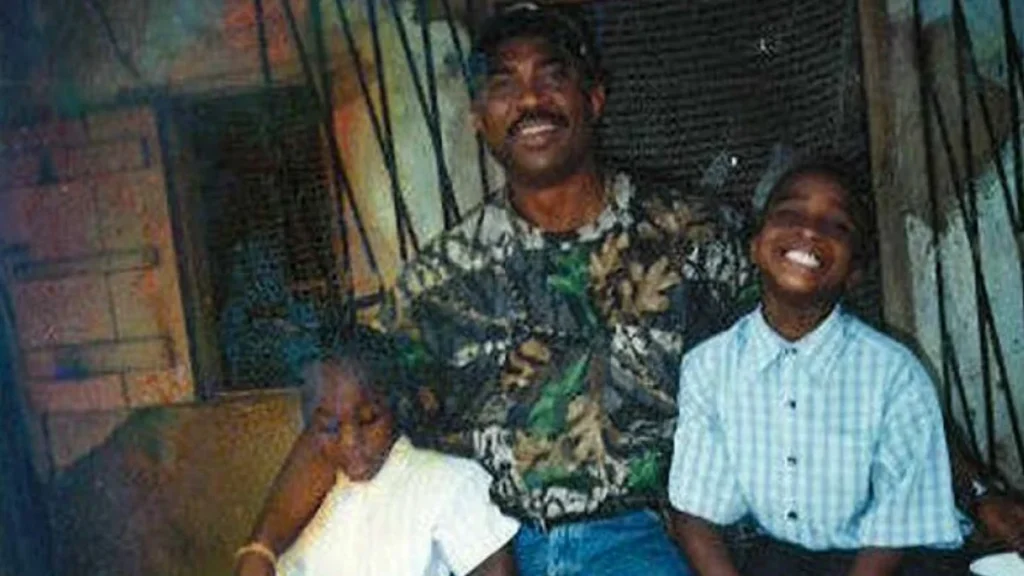
Virginia carries both worlds in its DNA. And so did the Chibueze household.

His parents are Igbo Nigerians. His father was a farmer in Nigeria and attended college in Texas. His mother is a retired nurse. That combination of backgrounds, a father who brought Nigerian farming culture and a love of American country music under the same roof, shaped Collins in ways he would not fully understand until much later.
Speaking about his father on NPR, Shaboozey described him as someone who washed dishes at Roy Rogers and worked on cars, and did as many odd jobs as he could to get through college in Texas. “He takes pride in hard work. You can do it if you work hard. So those morals and those teachings kind of stuck with me throughout my entire life.”
Shaboozey remembers the visual impression his father made even before the music connected. “Every time I saw a picture of him, he was always in Wranglers. He always gave ‘young country guy,'” he recalls, a clear foreshadowing of the cowboy persona he would eventually embody.
In an interview with GQ, Shaboozey credited a part of his love for country music to farming in Nigeria. “Agriculture is a big thing over there. There are a lot of herdsmen. There are a lot of people growing crops,” he said. He saw the connection long before the rest of the world did.
Two Years at a Boarding School in Nigeria and What It Taught Him
This is the chapter of his story that most casual fans of “A Bar Song (Tipsy)” do not know about. And it is one of the most formative.
For junior high, he spent two years at a boarding school in Nigeria. His father had returned to Nigeria after college, and Collins went with him, stepping off the plane from Virginia into a world that was simultaneously his heritage and his first real encounter with it.
He said about the experience: “In Virginia, everyone’s always outdoors… but then Nigeria as well. I lived there for two years, and it’s also the same. I definitely think there’s a connection there.”
That connection he kept returning to in interviews, the shared outdoor culture between rural Virginia and rural Nigeria, was not just a talking point. It was a lived understanding. He had stood in both places with his own feet, breathed both kinds of air, and felt the throughline between them before he ever put it into words or music.
His time at a boarding school in Nigeria exposed him to an abundance of cultural differences, deepening his connection to his Nigerian roots and enriching his artistic perspective.
During this time, his father was starting a farm. “He was always big on working with his hands,” Shaboozey recounts. “If anything, I kinda ended up being a lot like him.” Two years in Nigeria gave Collins Chibueze something that cannot be manufactured: a genuine, embodied understanding of where he came from. That understanding would eventually become the bedrock of everything he built musically.
From High School Footballer to Aspiring Novelist in Northern Virginia
He came back to Woodbridge and enrolled at Gar-Field Senior High School, where the first significant accident of his career was waiting for him on the football field.
In 2013, he graduated from Gar-Field Senior High School in Woodbridge, Virginia, where he played football as a freshman. His stage name originated from the mispronunciation of his last name, Chibueze, by his high school football coach.
Asked how he got his unique name, Shaboozey tells the story: it started when the incoming freshman players were getting their first helmets. His coach took a look at Shaboozey real name, Collins Chibueze, and pronounced him “Shaboozey!” “He wrote it on my helmet, exactly how it’s spelled now,” Shaboozey explained, adding that the nickname stuck, both at Gar-Field and beyond.
Shaboozey shared that several teachers, but especially his football coach, would often say his last name incorrectly. This would continue even when he would assist them with their proper pronunciation. “It could be a little confusing at times,” he said of the experience. “Hearing your name mispronounced during attendance was always a thing. You felt like you had to make it easier for everyone else to understand.” Through the support of his parents, Shaboozey decided to turn things around rather than continue to correct his teachers. He took on the incorrect stating of his name as a nickname and eventually his stage name.
That act of reclamation, turning a mispronunciation into a brand, is one of the defining creative moves of his entire career. But at the time, music was not even the plan.
As a teenager, Shaboozey planned to be a novelist. He was a writer before he was a musician, drawn to stories and characters and the architecture of narrative. He told Harper’s Bazaar: “I was always telling stories, always trying to find ways to create something. Maybe that was a short film with my friends, or writing, but I was always drawn to telling stories.”
That storytelling instinct never went away. It simply found a different medium.
How Watching 106 & Park Sparked His Early Love for Music
The television played a significant role in the musical education of Collins Chibueze, and one show in particular set something moving inside him that would never fully stop.
In his childhood, he was inspired by hip-hop music videos on 106 & Park, as well as his father’s cowboy style of dress and love of country music.
106 & Park was BET’s flagship music video countdown show, the program that introduced a generation of Black American kids to hip-hop culture, celebrity, and the visual language of popular music. For a boy in Woodbridge whose parents were Nigerian immigrants, it was a window into a specific kind of American identity that felt both aspirational and accessible.
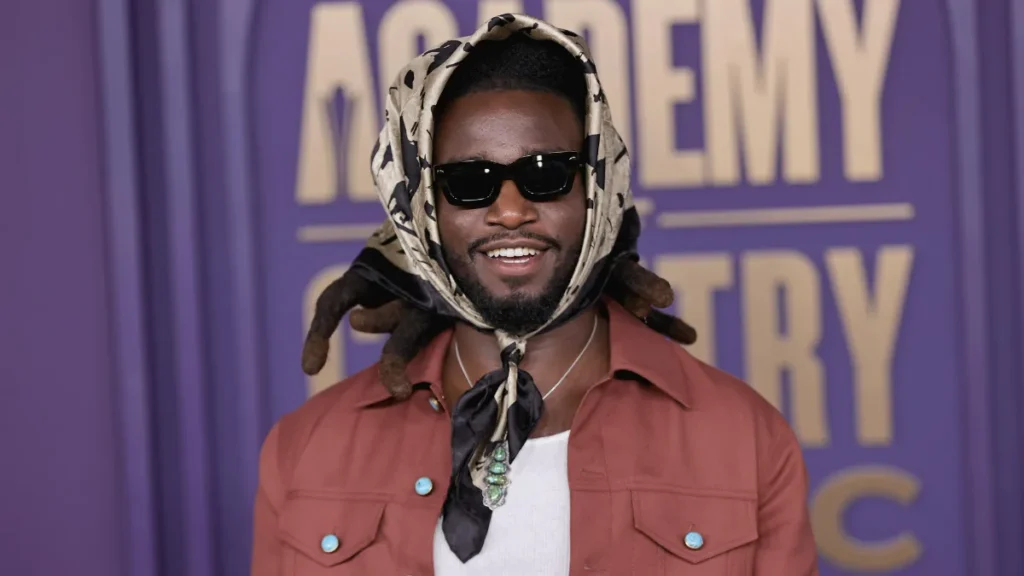
He told Essence, “I think growing up, obviously, I was a huge fan of hip hop. If I turned on MTV, or I turned on 106 & Park, I would see Ja Rule, Chingy, J Kwon, and others.”
At the same time, from the other room came something different. His father would go from playing Kenny Rogers or some of those country songs to then playing some traditional Nigerian songs, Shaboozey told GQ. Two worlds, playing simultaneously, both shaping the same set of ears.
He recalls: “Outside of MTV and BET, I wasn’t getting the specific names of the artists my parents played around the house and spoke about.” For young Collins, it was simply “all just music.”
That early inability to categorize what he was hearing may be exactly why he grew up unable to limit himself to a single genre. He did not learn music through the walls of a specific tradition. He learned it as something borderless. Something that flowed from Nigeria to Texas to Virginia and back again without asking permission.
Graduating from Gar-Field Senior High School and Choosing Art Over College
By the time graduation arrived in 2013, Collins Chibueze was no longer just thinking about writing novels. Something had shifted.
By the time he graduated high school, in addition to earning money from shooting music videos and photography, he also earned “a few hundred bucks here and there” from music gigs and decided to take music more seriously.
Those few hundred dollars were not a fortune. But they were proof. Proof that someone would pay him to do what he loved. Proof that the instinct was real.
His parents initially did not think rapping and singing would be a viable career path for him, which he initially agreed with, but as his gigs started to bring in more and more money, he started seriously pursuing a music career. In between sets, he also supported himself by working as a photographer and videographer.
He was building his visual eye at the same time as his musical one. That dual development would later become central to his identity, the filmmaker and the musician working in tandem, creating a world rather than just releasing songs. In 2014, he established V Picture Films, his own production company.
Notably, Gar-Field Senior High School was also an alumna of Emmylou Harris, one of the great figures in American country music. Whether Collins knew that at the time or not, he was walking the same halls that had produced country royalty. Virginia had already done this before. It just looked different this time.
The Move to Los Angeles at Age 19 and the Start of His Creative Journey
Woodbridge gave him everything he needed to become who he was. But becoming who he was going to be required leaving.
During an interview with NPR, Shaboozey expressed that he had to venture out in order to grow. “As much as I loved it and it’s a part of me, I had to leave to get to where I’m at right now,” he said.
And he did not leave easily or comfortably. He once shoveled snow in a storm just to buy a plane ticket to Los Angeles to pursue his dreams. “How I got here is like nothing short of a miracle, you know?” he said.
In 2018, the Virginia native moved to Los Angeles, where he landed a deal with Republic Records. He had been releasing music since 2014, building an audience on SoundCloud, developing his visual identity, and steadily refining a sound that nobody quite knew how to categorize. Los Angeles was where the industry lived. And Shaboozey was ready to introduce himself to it on his own terms.
He told CMT: “I’m a regular guy. I grew up in a small town in Virginia, and I just didn’t really do the school thing. I was just like, ‘Man, I really enjoy this passion of mine, and I’m gonna keep pursuing until it gets me there.’ I hope that people, along with all the excited eyes, read the story and they know that that person’s just like me.”
A boy with a name that nobody could pronounce. A father in Wranglers playing Kenny Rogers. A boarding school in Nigeria. A football helmet with a misspelling on it. A television screen full of hip-hop. And a dream to write stories, which he eventually realized he could do better with a guitar and a voice than with a pen and a page.
That is where Shaboozey came from. And it explains everything about where he went.