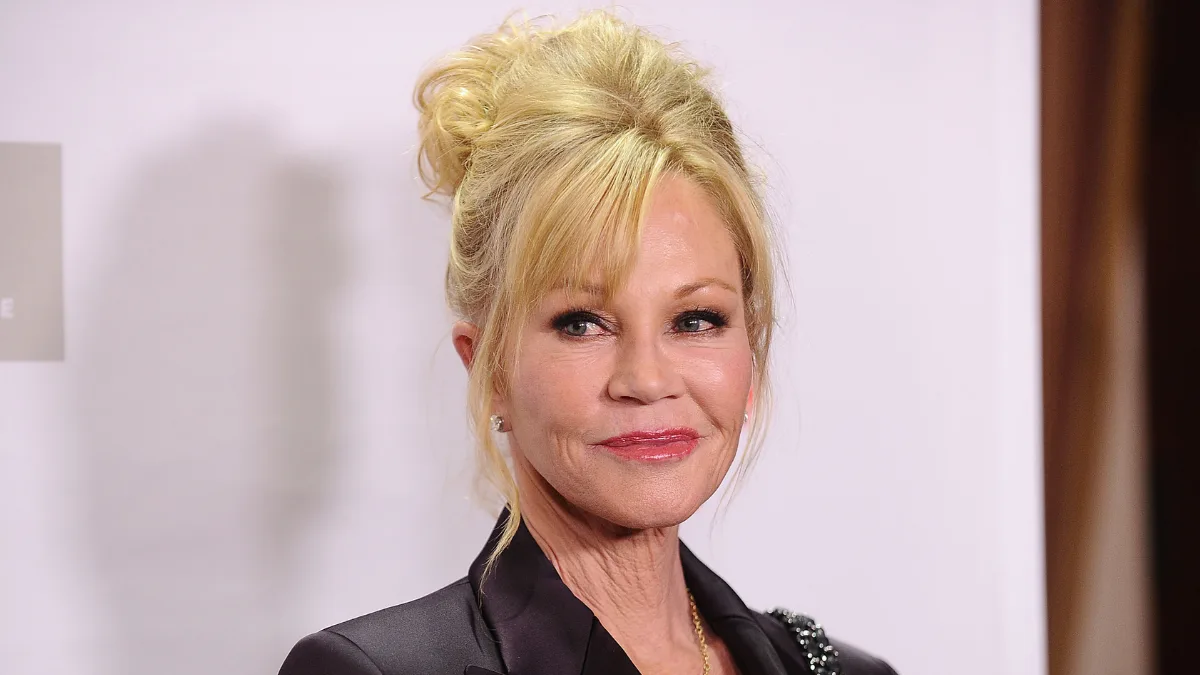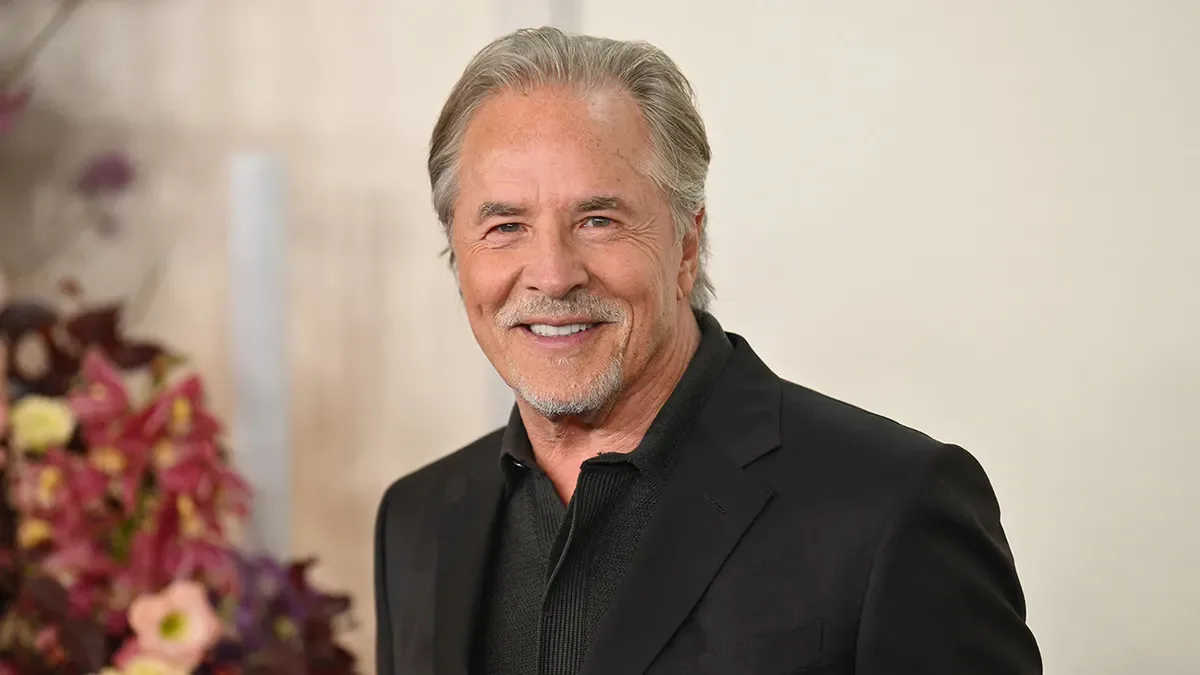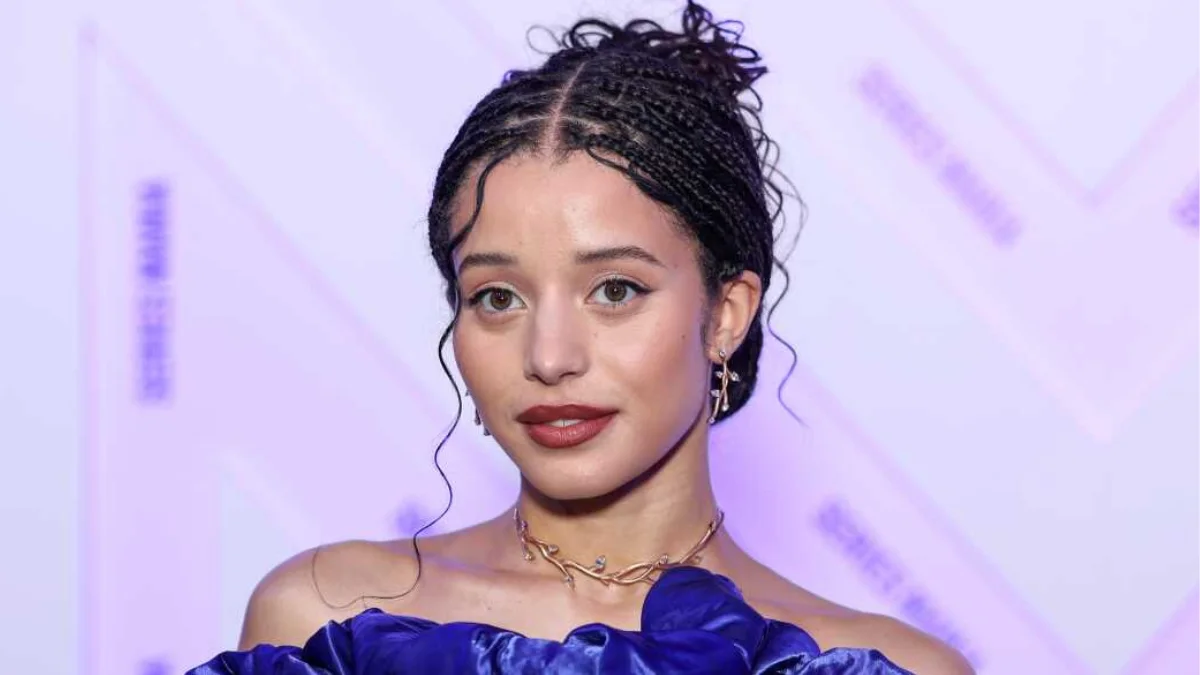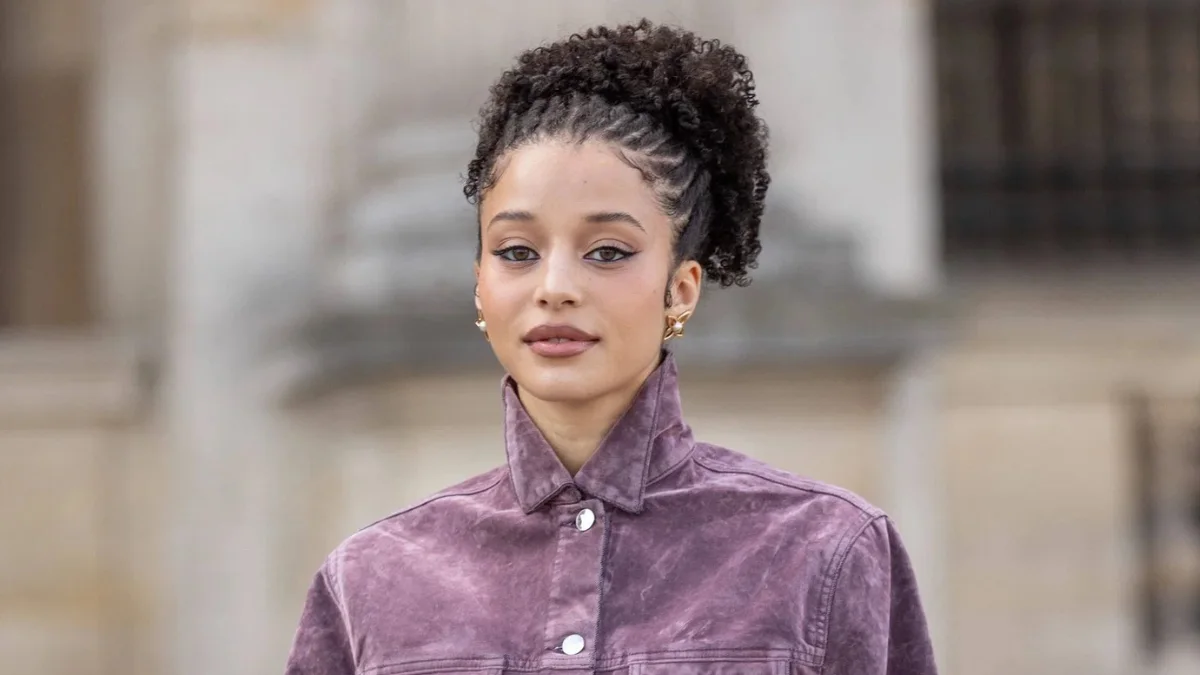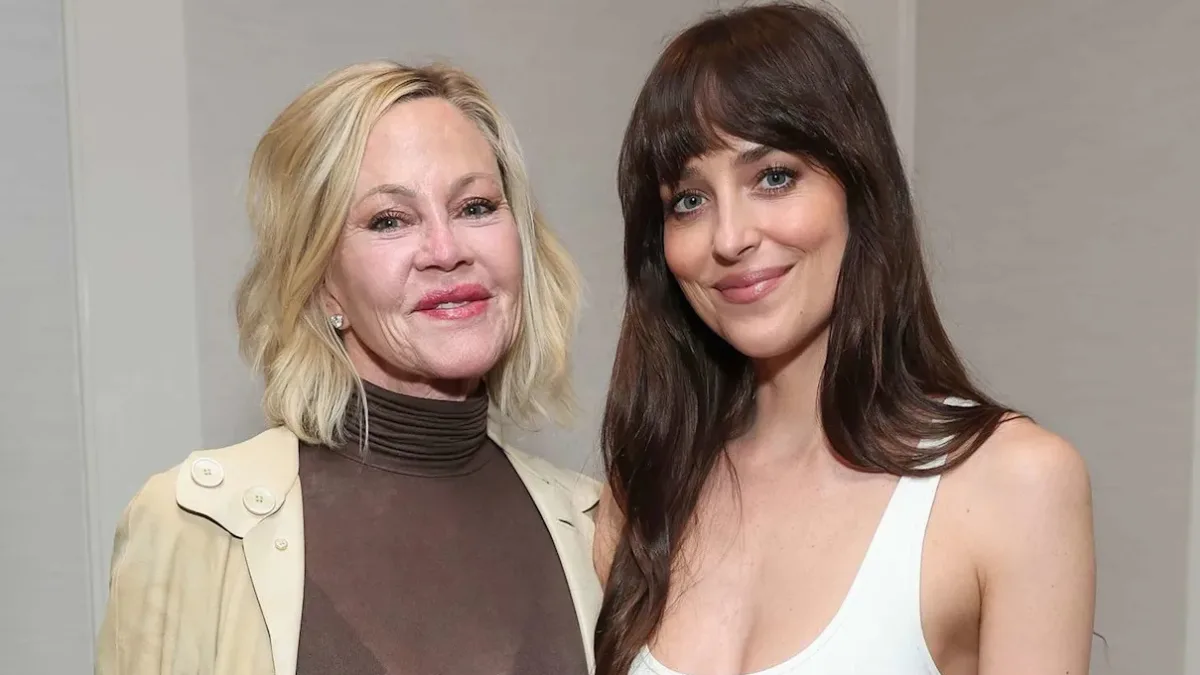
Most children learn about the world through classrooms and playgrounds. Dakota Johnson learned about it on film sets, in costume trailers, and in the quiet moments of watching a woman she admired do something incredibly difficult and make it look effortless.
Melanie Griffith did not teach her daughter to act in any formal sense. She never sat Dakota down with scripts or gave her vocal exercises. What she gave her was something harder to quantify and far more valuable: a front-row education in what real artistic courage looks like, and a living, breathing example of how a woman navigates one of the most unforgiving industries on earth.
The result is a daughter who makes bold choices as naturally as breathing, who has her mother’s instinct for complicated roles, and who carries a legacy so deep it spans three generations of women in Hollywood.
Here is the full story of that influence.
The Set Was the Classroom
Before Dakota Johnson ever attended an acting class, she had already spent years observing performance at its most raw and its most technical. This was not accidental. It was simply the texture of her entire childhood.
Dakota has said she never truly realised what Hollywood was, but that she grew up on set and was always surrounded by people who made movies. She noted that she was born in Texas because her father was filming there at the time, and that from the beginning, the industry was simply the world she existed in.
Her interest in acting began precisely because she grew up on set. She has said, “My parents were always working with amazing artists, and I just loved it.”
What is fascinating about that quote is what it reveals about how she absorbed her mother’s craft. It was not Melanie sitting Dakota down and explaining the technique. It was Dakota watching, absorbing, and falling in love with the whole enterprise of storytelling at an age when most children were watching cartoons. The set was the classroom, and the teachers were some of the best working actors of their generation.
Tippi Hedren confirmed in 2017 that she never pushed Melanie into films, and Melanie never pushed Dakota. She said, “I think neither of us is the type to push.” That restraint is deliberate and meaningful. The love of the work was passed down not through pressure but through proximity, through witnessing something magnificent and wanting to be part of it.
Despite her deep desire to act from an early age, Dakota was not allowed to work properly until she graduated from high school, with the single exception of playing alongside her mother in 1999’s Crazy in Alabama, directed by her then-stepfather, Antonio Banderas. That debut was telling in itself. The first time Dakota appeared on screen professionally, she was playing Melanie’s daughter. Life and fiction collapsed into the same frame. It would not be the last time the two women shared a screen.
The Mirror in the Role Choices
One of the most quietly compelling aspects of Dakota Johnson’s career is how often her choices echo the specific kind of courage Melanie Griffith displayed decades earlier.
Melanie built her reputation on roles that required vulnerability, provocation, and a willingness to go somewhere psychologically uncomfortable on camera. She played a pornographic actress in Body Double, a switchblade-carrying femme fatale in Something Wild, and a secretary claiming her own power in Working Girl. She never played it safe, and she was rarely rewarded with easy critical consensus. She was regularly underestimated, and she kept choosing boldness anyway.
Dakota has followed a strikingly similar pattern. She accepted the lead role in Fifty Shades of Grey when many of her contemporaries declined, understanding that the film would be critically polarising and commercially enormous. She made A Bigger Splash with Luca Guadagnino, stepped into the psychological horror of Suspiria, and consistently chose directors and projects with something genuinely at stake rather than easy crowd pleasers.
Dakota has spoken in interviews about understanding why her parents tried to discourage her from the industry, saying: “They wanted me to have as much of a childhood as I could.” She said she understood the concern, but the pull was always too strong. That is the language of someone who absorbed the cost of the career alongside its rewards, who watched her mother navigate both the exhilaration and the exhaustion, and chose it anyway with full information.
Dakota has described her extended family, including her siblings, saying, “Most of us are artists. Even in my adult life and my new family, most of us are artists.” She added that no matter how complicated the dynamics get, “we’re family. And we are always going to be a family.” That artistic identity, running through every branch of the family tree, is Melanie’s most lasting inheritance.
What Melanie Has Said About Dakota’s Talent
Melanie Griffith is not a neutral observer when it comes to her daughter’s abilities. She is also not a quiet one.
At the New York premiere of How to Be Single in 2016, Melanie posted on Instagram: “My beautiful Dakota and Mama. She comes on screen, and there’s a breathless hush that comes over the audience. She is magnificent!” That is not a polite parental compliment. That is someone who has spent decades watching performances and knows exactly what she is talking about.
After Dakota’s first SNL hosting appearance in 2015, Melanie responded publicly on social media: “She killed it!!! I loved her poise, her comic timing, her grace, loved everything she did!!” Coming from a woman who had herself hosted SNL in 1988, that assessment carries genuine weight.
But Melanie’s most revealing statement about her daughter has always been the one that balances pride with honesty about the industry. She told Vanity Fair that she was “worried” about Dakota working in Hollywood, but that she was “never worried about whether or not she had the talent and the magic.” She added, “I knew how tough it was to navigate all of the aspects of filmmaking, and I hope she learned some good tips from me. I think she did. But it’s Dakota’s sense of self and her awareness of life, love and hard work that has gotten her through scary times.”
That sentence deserves to sit with you for a moment. Melanie is not claiming credit for her daughter’s success. She is drawing a clear line between what she could teach and what Dakota brought on her own. The talent and the self-awareness, Melanie says, were already there. What she could offer was the map for the terrain. Whether Dakota used it was always going to be up to her.
Even on the question of Fifty Shades of Grey, which Melanie chose not to watch, she defended her daughter without hesitation. When the subject came up at the 2015 Oscars, she said, “Well, she’s a really good actress. I don’t need to see that to know how good she is.” That is a very specific kind of maternal loyalty, one that separates the person from the project and protects both.
Showing Up: The Red Carpets and the Rare Public Moments
The bond between Melanie and Dakota has never been one that plays out constantly in public. Both women are instinctively private about the core of their relationship. But the moments when they do appear together are always charged with something genuine.
When Dakota hosted Saturday Night Live for the first time in 2015, Melanie was in the studio audience. Dakota used her monologue to connect the moment to her mother, noting that Melanie had hosted the same show in December 1988, and that Don had proposed to her the night of that episode. The camera cut to both parents together in the audience, shielding their faces. It was a perfect encapsulation of the family’s dynamic: funny, warm, slightly chaotic, and absolutely united.
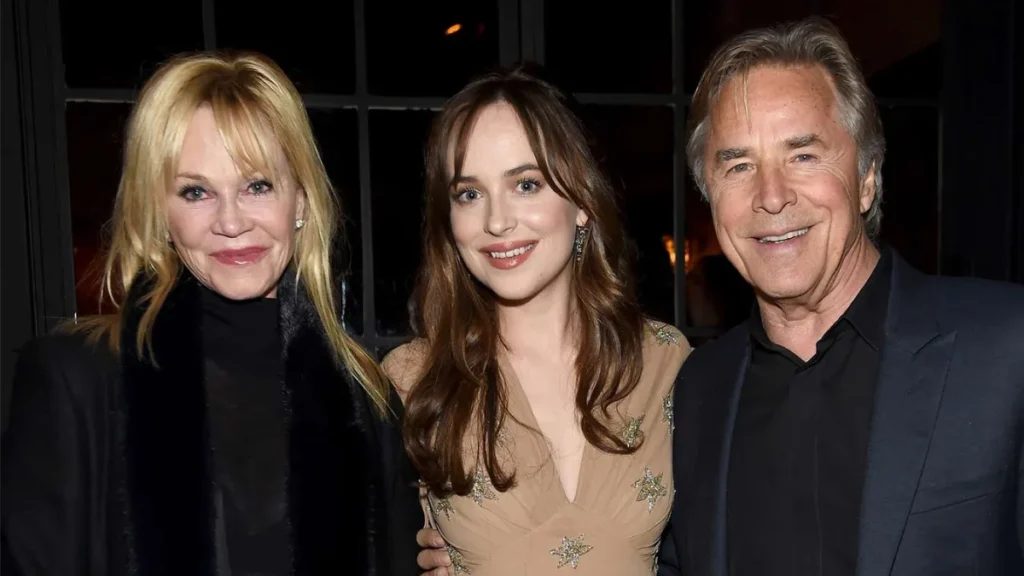
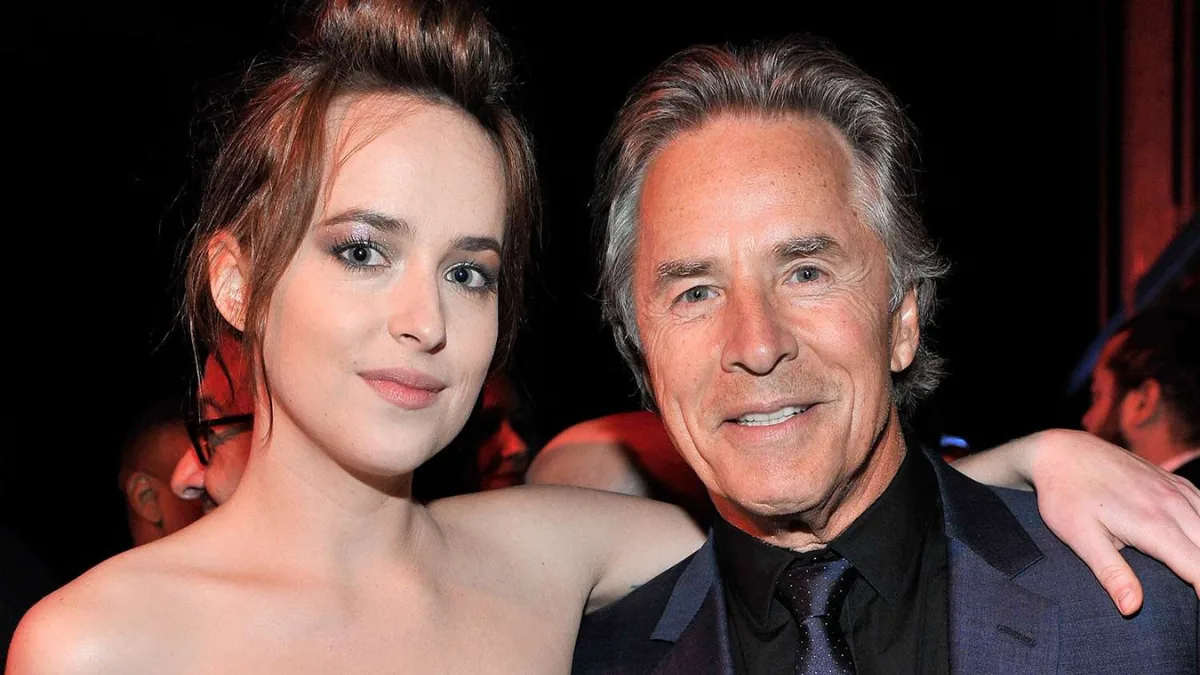
At the How to Be Single premiere in New York in 2016, both Melanie and Don walked the red carpet with Dakota, with Melanie posting on Instagram, calling herself a very proud mama and tagging Don as a very proud daddy.

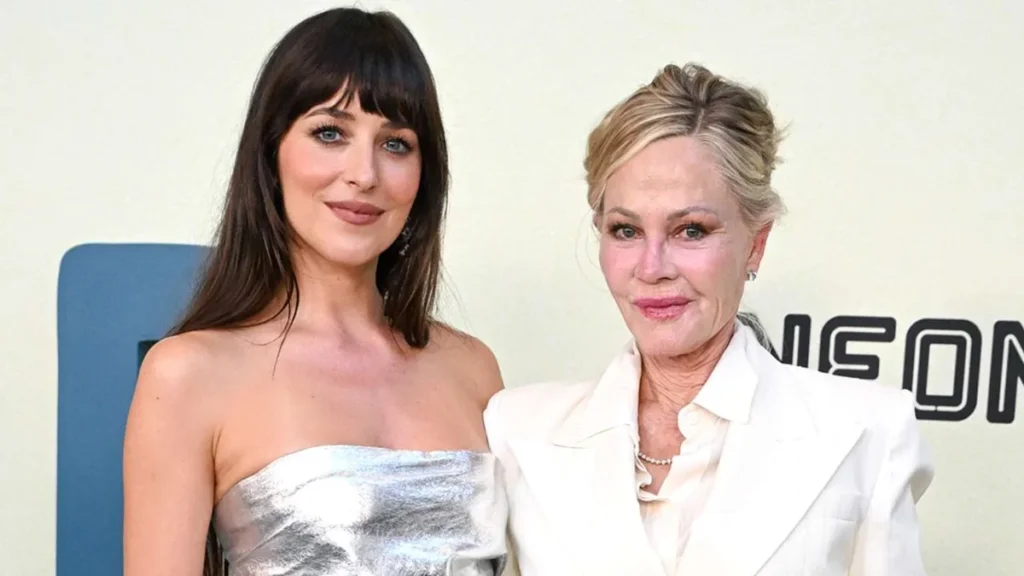
Most recently, in August 2025, the pair made a rare red carpet appearance together at the Los Angeles premiere of Splitsville, where they hugged each other on the carpet in a moment that photographers captured in full. These appearances are not managed public relations exercises. They are a mother and daughter who have been through a great deal together, choosing to show up for each other in the moments that matter.
Tippi, Melanie, Dakota: A Legacy Three Generations Deep
There is a photograph from a 2016 Vanity Fair shoot that captures something no other image in Hollywood quite does. Three generations of women from the same family, each of whom has stood at the centre of a defining cultural moment, dressed in coordinating shades of pink and holding each other’s hands. Tippi Hedren, Melanie Griffith, Dakota Johnson.
The trio came together for the shoot to mark the release of Tippi Hedren’s memoir. It was the first time the three had ever been photographed together for publication. Melanie reflected: “The three generations just made me think about Mom, born in 1930, and me, in the ’50s, and Dakota, in the ’80s. The progression of life is really beautiful.”
Despite the closeness, Tippi noted that the three women never actually talk about acting with each other. “We never even talk about it,” she said. That detail is both surprising and completely believable. The craft was absorbed through watching, not instruction. The legacy was transmitted through presence, not conversation.
Dakota has been one of the loudest voices in defending her grandmother’s story regarding Alfred Hitchcock, calling him “a tyrant” and saying that power had poisoned him. She added, “She was an amazing actress, and he stopped her from having a career.” The anger in that statement is protective. It is the voice of someone who has watched what a gatekeeper can do to a woman who refuses to comply, and who has decided that the story will not stay quiet on her watch.
The three women have shared significant public milestones over the decades, including Tippi receiving her star on the Hollywood Walk of Fame in 2003, where Melanie handed her the award while a younger Dakota and Stella watched from the audience. Three generations present at a ceremony designed to honour one of them. And yet all three were necessary for the moment to be complete.
That is perhaps the truest thing about the influence Melanie Griffith has had on Dakota Johnson’s career and artistic identity. It was never just about the techniques she modelled on set or the industry advice she quietly offered. It was about showing her daughter, through decades of lived experience, what it looks like to be a woman who refuses to disappear. Tippi modelled it. Melanie absorbed it. Dakota inherited it. And now she is passing it forward in her own way, one bold choice at a time.