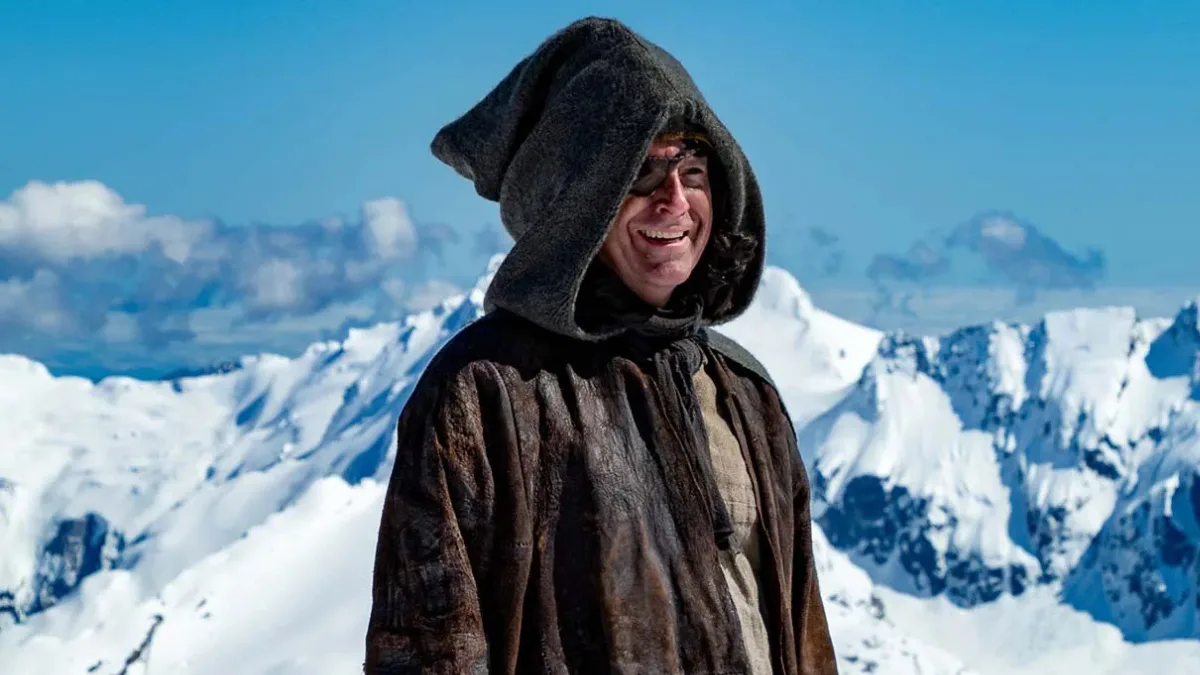
- Warner Bros. has now officially committed to at least two new Lord of the Rings films, with The Hunt for Gollum arriving December 17, 2027, and Shadow of the Past positioned to follow, marking the most ambitious expansion of the franchise since The Hobbit trilogy ended in 2014.
- The studio is deliberately building a multi-chapter pipeline rather than a one-off revival, with Peter Jackson producing both films and Philippa Boyens connecting the two projects as co-writer on each.
- Fan reaction has already split across two camps: those thrilled to see unadapted Tolkien material finally reach the screen, and those worried about what Amazon’s divisive Rings of Power proved about the risks of expanding Middle-earth without the full creative team intact.
One film announcement could have been a nostalgia play. Two films, a shared producer, an overlapping screenwriter, and a deliberate release strategy start to look like something much bigger. Warner Bros. is not dipping its toes back into Middle-earth. It is building a new era of the franchise from the ground up, and the Stephen Colbert announcement tells us exactly how serious they are about it.
Two Films, One Clear Strategy
The sequencing here is not accidental. Warner Bros. is pursuing a deliberate, multi-chapter expansion of the franchise, with The Hunt for Gollum set to arrive on December 17, 2027, and Colbert’s Shadow of the Past positioned to follow.
The Hunt for Gollum covers the 17-year gap between Bilbo’s 111th birthday party and the events of The Fellowship of the Ring, directed by and starring Andy Serkis, with Jackson producing alongside his co-writing team of Fran Walsh and Philippa Boyens. It is a prequel that fills in one of the most debated gaps in the original trilogy’s timeline.
Shadow of the Past then picks up on the other side of the story entirely. Set 14 years after the passing of Frodo, Sam, Merry, and Pippin set out to retrace the first steps of their adventure, while Sam’s daughter Elanor uncovers a long-buried secret about why the War of the Ring was very nearly lost before it even began. A prequel and a sequel, bookending the original trilogy from both ends. It is a franchise architecture that Marvel would recognise immediately.
The Unadapted Chapters That Changed Everything
Here is the part that has genuine Tolkien fans genuinely excited. Colbert’s film is not a remake, a reboot, or a retelling of something audiences have already seen.
The idea for Shadow of the Past came from several chapters of The Fellowship of the Ring that didn’t make it into Peter Jackson’s original film adaptation. Specifically, chapters Three Is Company through Fog on the Barrow-downs, six sections of the book that Jackson’s original trilogy never brought to the screen.
Those chapters contain some of the most beloved and consistently discussed omissions in all of cinematic Tolkien, most notably Tom Bombadil, the ancient, mysterious figure who appears nowhere in Jackson’s films and has fuelled decades of fan debate about who he is, what he represents, and whether any adaptation could ever do him justice. Colbert described wanting to make something completely faithful to the books while also being completely faithful to the movies Jackson had already made, which is a far more specific and disciplined creative brief than most franchise sequels ever set for themselves.
The Question Nobody Can Fully Answer Yet
Warner Bros. has a $6 billion franchise on its hands and a proven creative team at the helm. That should be enough. But the recent history of Middle-earth expansions is complicated.
Amazon’s The Rings of Power, set thousands of years before the original trilogy, divided audiences sharply. Critics praised the scale. Hardcore Tolkien fans pushed back hard on the liberties taken with the source material. The show cost more per episode than almost anything ever produced for television, and the cultural conversation around it never quite matched the investment.
Aragorn is expected to be recast for the new films, as is Arwen, with Anya Taylor-Joy and Kate Winslet rumoured to be among the new faces joining the franchise. Recasting two of the original trilogy’s most beloved characters is a significant creative risk, and how audiences respond to new faces in those roles will shape the trajectory of the entire new era.
Ian McKellen teased at a fan event last year that there is a character called Frodo and a character called Gandalf in The Hunt for Gollum, which would suggest at least partial continuity with the original cast. But Warner Bros. has yet to officially confirm any returning actors beyond Serkis himself, leaving the casting picture deliberately incomplete.
Why This Moment Actually Matters
The Colbert announcement is being read in Hollywood as something beyond a single film deal.
Warner Bros. CEO David Zaslav has said the studio will focus more on its main intellectual properties like Harry Potter and DC, going forward, explicitly stating these belong to them and will only ever belong to them. The Lord of the Rings fits that strategy perfectly. It is one of the most recognisable and emotionally durable franchises in cinema history, it has a global fanbase that crosses generations, and it has source material deep enough to sustain a decade of films without ever repeating itself.
With Jackson on board to guide both projects, both the prequel and this newly announced sequel have the potential to successfully bring The Lord of the Rings back to the silver screen in a way that Amazon’s television expansion never fully managed.
Colbert once said he had been waiting his whole life for the right moment to step inside Middle-earth properly. Warner Bros. is clearly betting he is not the only one.